Shopping Cart
There are no more items in your cart


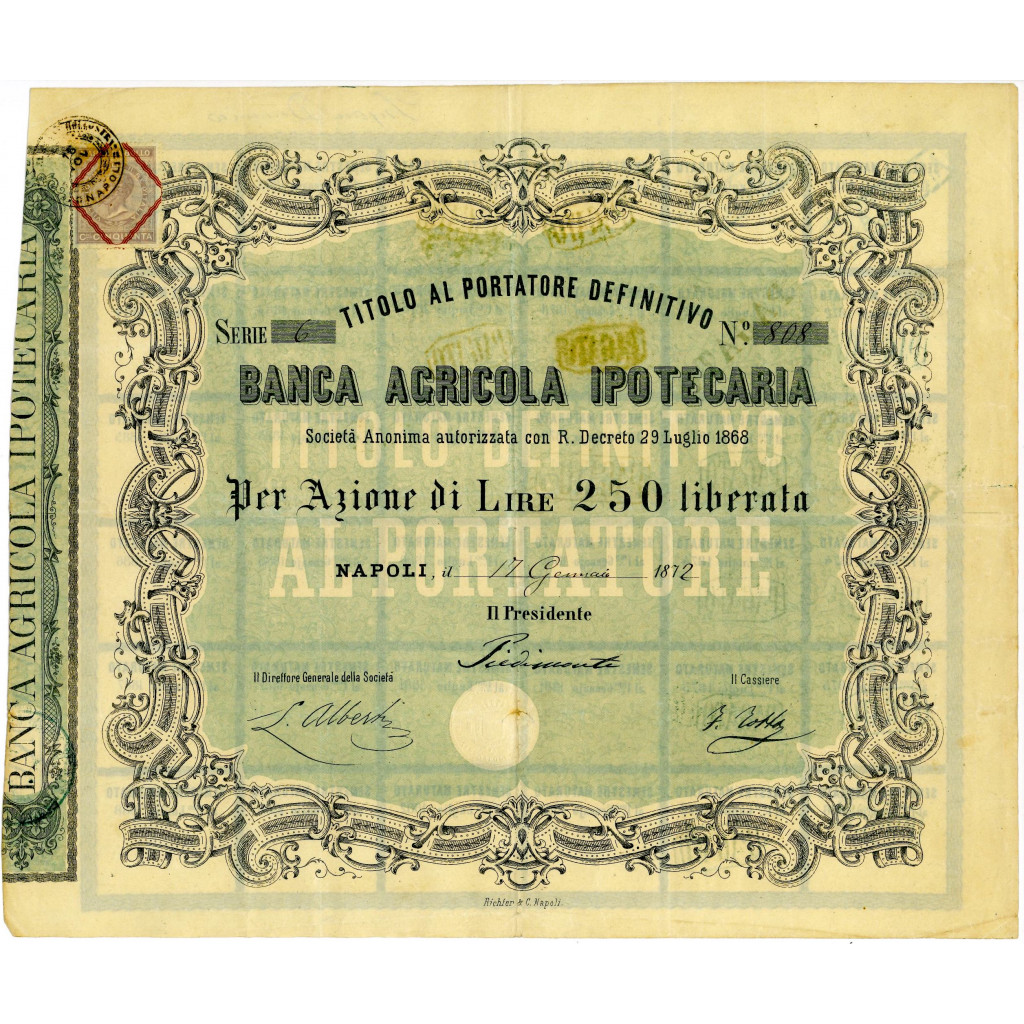
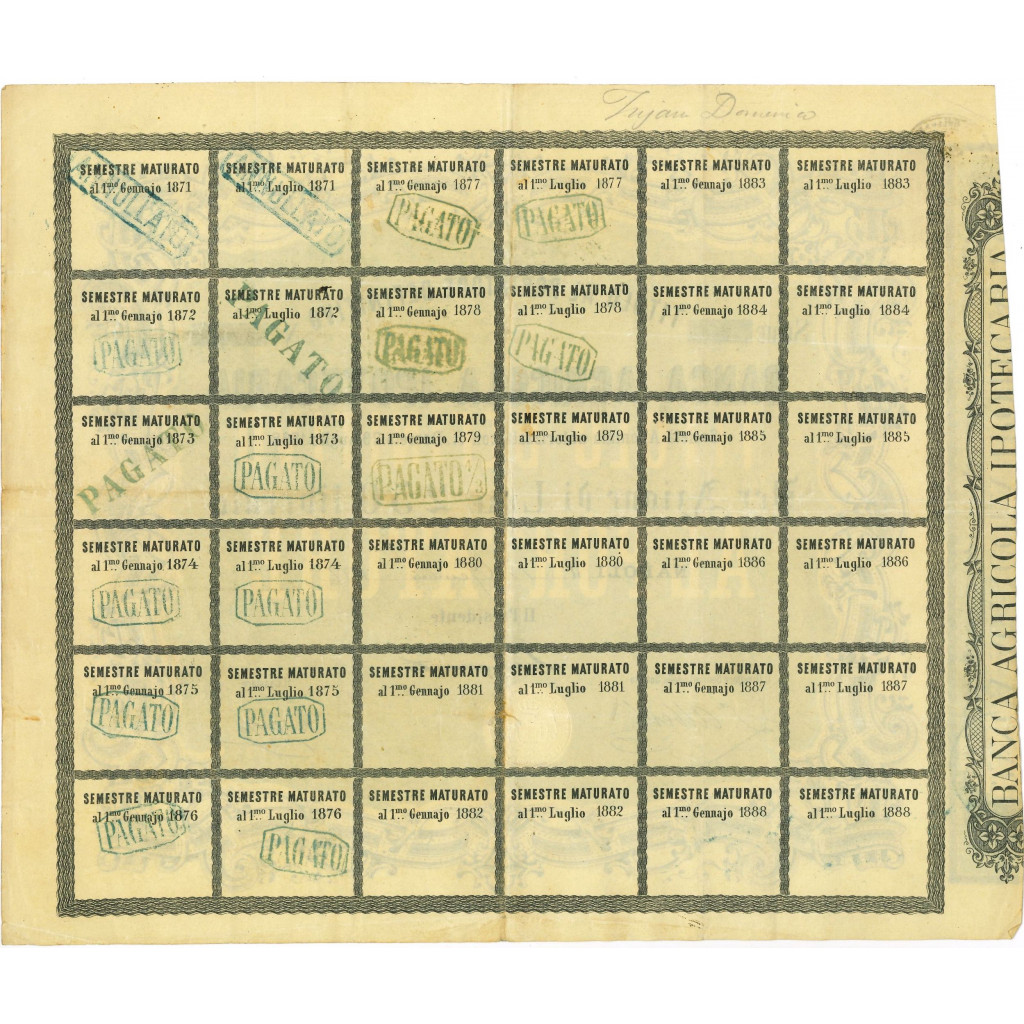
Before evoking where and why banks came into being, it is useful to recall what they are. Leafing through a dictionary we read that among other things, they perform three main functions: lending money, receiving deposits and creating money. Already in the time of the ancient Babylonians there existed within religious buildings, entities similar to Central Banks, which performed, however, a limited part of these activities. Basically they were safes and lent to a very small circle of nobles and priests.
There was no money yet, and in those days natural currency was used, such as gold or silver bars, grain and other foodstuffs. So they could not in any way perform the third and most important function, which was to create money and thus spread wealth in the system. That is why they were always viewed with distrust. So much so that in the Holy Scriptures there is a reference to these early credit companies with a strongly negative connotation.
The only account in the four Gospels in which Jesus committed an act of violence took place precisely against the Temple bankers. According to Matthew, the Son of God entered the porch and drove out all those who were there buying to sell and exchanging money; he overturned tables and chairs and said to them, "My house shall be called a house of prayer, but you make it a den of thieves." So we have to wait for tens of centuries before we find institutions that can be called true banks for all intents and purposes.
Now let us pause for a second to reflect on the three main activities they carried out. While the first two are intuitive: it is in banks, in fact, that we deposit our savings and apply for some loans. To understand the third function, we need to clear the air of ambiguity about the meaning of the term currency. In common parlance, in fact, currency is synonymous with banknotes, pennies and nickels, and there is no doubt that it is forbidden to create them privately since only one can do so-the European Central Bank. Although many counterfeiters, most of them based in Italy, do not think the same way....
But back to us, by currency we mean the totality of the means of payment that we normally use for our purchases. Banknotes are certainly one of them, but we also use checks, ATMs, credit cards as well as the loans we are given. The sum of purchases made with these instruments created by banks far exceeds, the value of banknotes in circulation. Those who have read any of my earlier articles know that the origin of banking is an all-Italian story, set in the wealthy cities of the mid-north of the Middle Ages, inextricably linked to the events of those years.
At that time, at least from the standpoint of economic and social development, Europe was dominated by three regions, France, Flanders and northern Italy, all with flourishing manufactures connected by a dense network of trade relations. Initially the Goldsmiths handled precious metals and were the first to be entrusted with money on deposit. This activity represented the first step toward the creation of the first bank.
The second very important one, was accomplished with the invention of an instrument very similar to the modern check. This happened when an Italian merchant proposed to a Flemish colleague to receive in payment not a certain amount of gold, but a bank note, a sheet of paper on the back of which was affixed the signature and seal of the person guaranteeing it, attesting to the deposit of the same amount of precious metal with some bank custodian. The endorsement of Bank Notes greatly facilitated trade and proved to be an immediate success.
It was no longer necessary to walk around with chests full of gold or with dozens of coins hidden in one's belt or shoes. Instead of gold, bank notes circulated, which, for obvious reasons, were easier to carry and less attractive to thieves and robbers. Loans began to be made and much wealth began to circulate. It was the Republic of Genoa that gave birth to the First Modern Bank.
The House of St. George, the former residence of the Captains of the People, in 1407, was transformed first into a Cassa, then became Compere and finally, Banco di San Giorgio. This revolution soon gave way to many other innovations such as Current Account, Letter of Credit, Letter of Exchange, and the Interest Credit. Before the Banco notes, gold and silver were the only accepted forms of currency. They came in various coinage and each city-state even had more than one.