Shopping Cart
There are no more items in your cart
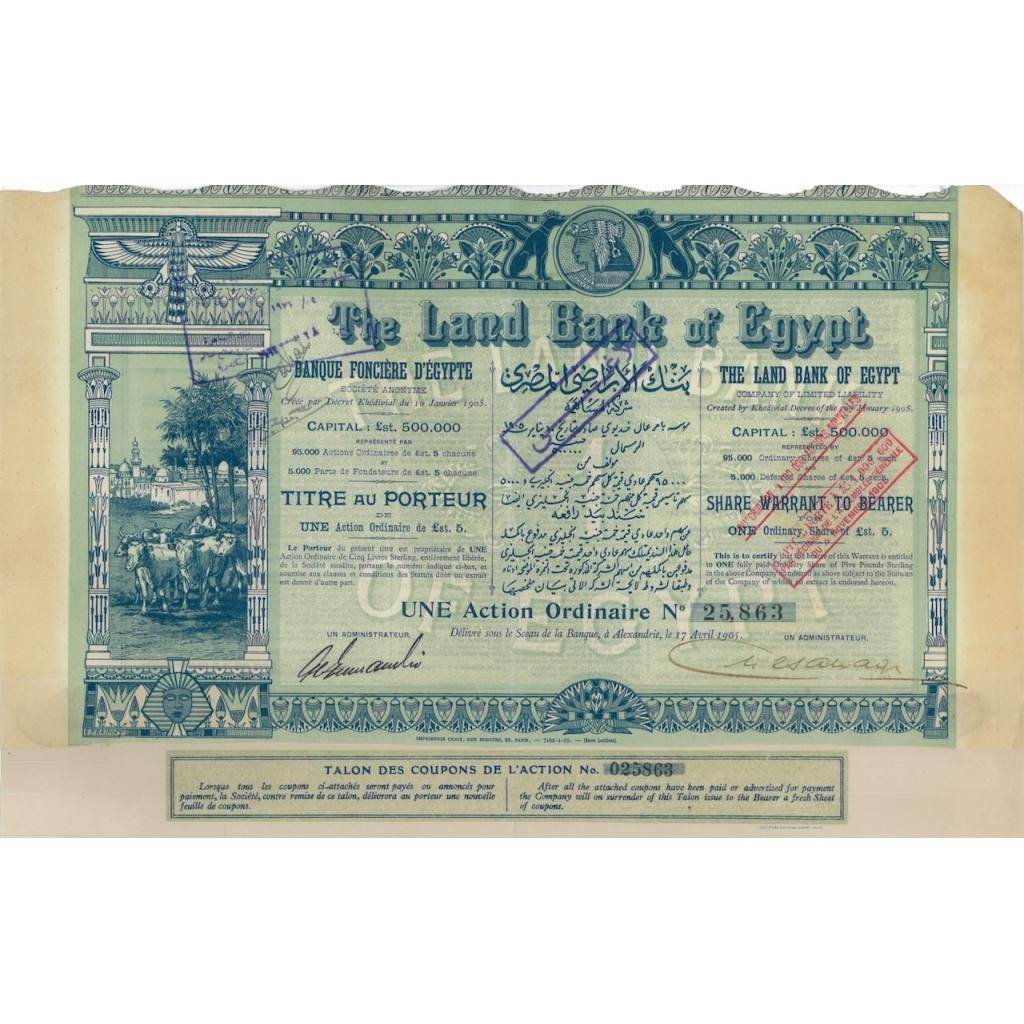
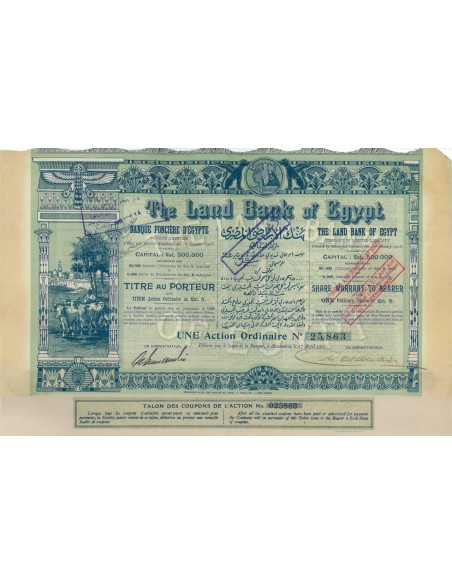
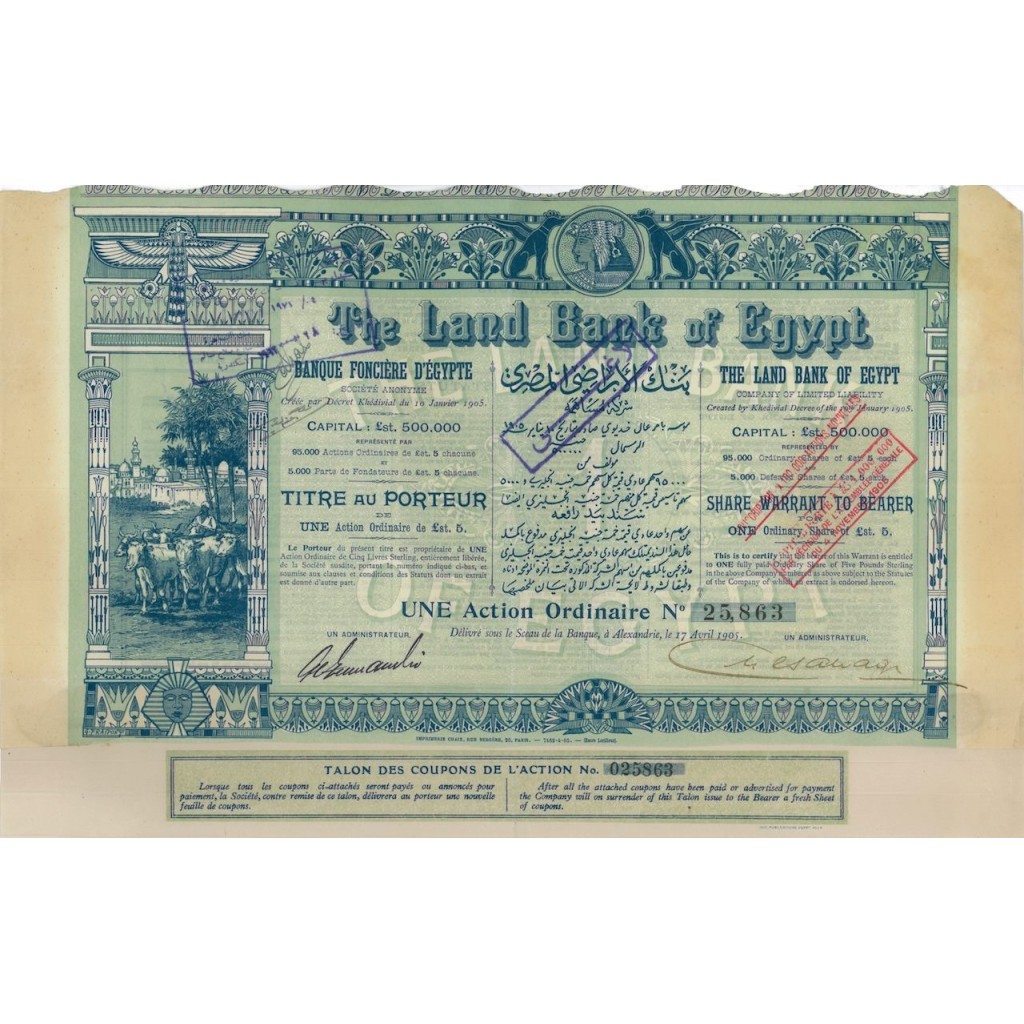
The issuance of this certificate occurred during a period marked by increasing international interest in Egypt, partly due to the recent opening of the Suez Canal and the agricultural potential of the Nile Valley. The years following its founding saw an increase in credit activity, supported by the political stability offered by the British presence. However, the bank operated in a context of high economic risks, due to both fluctuations in agricultural commodity prices and political crises that would emerge in the following decades.
Historical Company Data:
| Item | Details |
|---|---|
| Year of Incorporation | 1905 |
| Registered Office | Alexandria, Egypt |
| Share Capital at Incorporation | £500,000 |
| Share Capital at Dissolution | Data not available |
| Year of Stock Exchange Admission | 1905 |
| Year of Delisting | Data not available |
| Year of Company Dissolution | Data not available |
| Turnover (reference year 1905) | Data not available |
Document Characteristics:
| Characteristic | Description |
|---|---|
| Type of Certificate | Bearer Ordinary Share |
| Certificate Number | 25,863 |
| Nominal Value | £5 |
| Date of Issue | April 17, 1905 |
| Signed by | A. Desmarais |
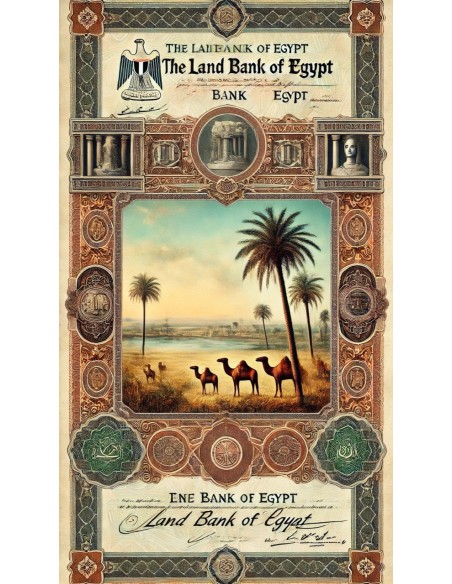
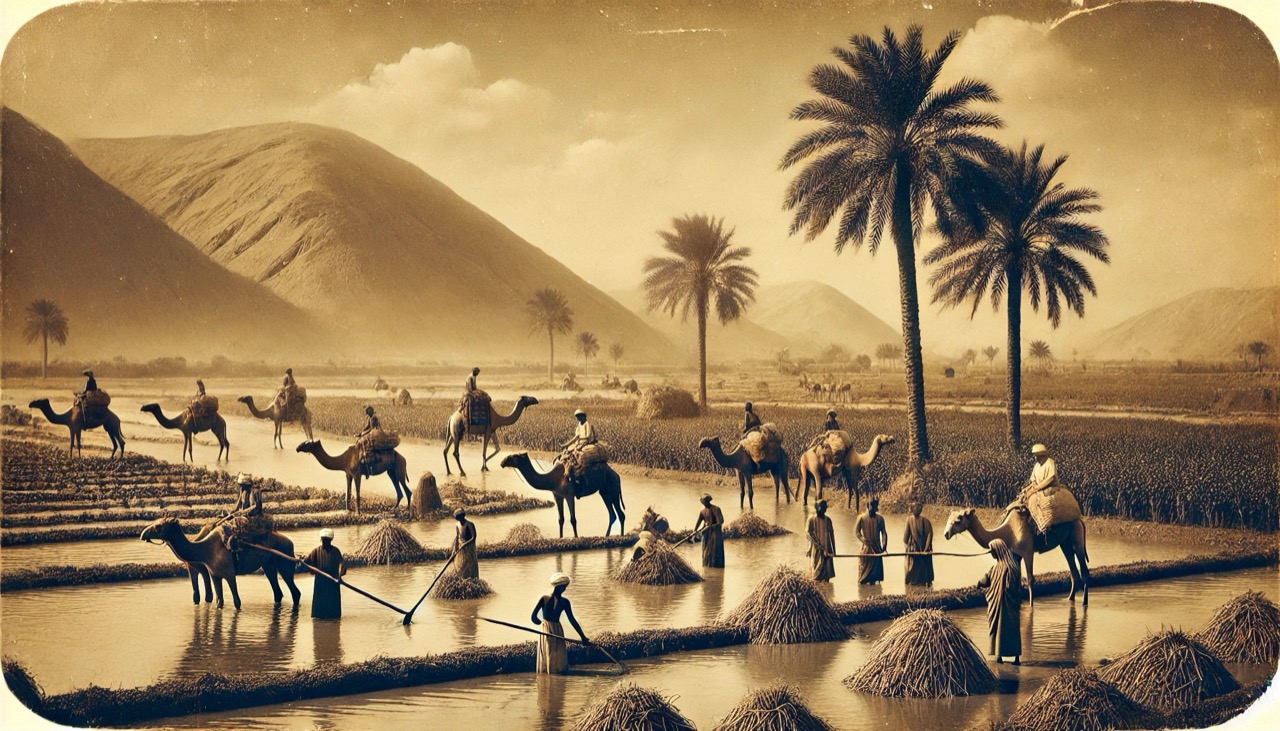
| Artistic Elements | Artwork depicting Egyptian symbols and an agrarian landscape with palms and camels. |
| Typography | Imprimerie Chaix, Paris |
| Provenance | Data not available |
Artistic and Typographic Description:
The certificate is an example of high-quality graphic design, likely created by an artist with deep knowledge of Egyptian culture and the colonial period. The presence of decorative elements, such as columns with Egyptian-style capitals and the engraving of a pastoral scene, highlights the importance of land and agriculture in the early 20th century Egyptian economy. The typography was executed by the renowned Imprimerie Chaix of Paris, known for its precision and quality in the art of printing.
Provenance:
No specific details are available on the provenance of this certificate, but it is plausible that it was acquired by an investor of the time who believed in Egypt's agricultural potential. The rarity and condition of the document make it particularly interesting for collectors and enthusiasts of financial history.
Valuation and Rarity:
This certificate can be considered rare, especially if well-preserved. Its rarity makes it a highly sought-after collectible, particularly interesting for those who collect historical documents related to Egypt or colonial finance.
Considerations for Collectors:
Scripophily, or the collection of old financial documents, is a practice that not only allows one to own a piece of history but also offers the opportunity to explore the economic and social roots of different eras. This certificate from "The Land Bank of Egypt" represents a fascinating example of how agriculture and agricultural credit were considered strategic sectors at the beginning of the 20th century. Collectors might consider displaying these documents in quality frames to preserve them while also enhancing their historical and artistic appeal.
Use as a Gift:
In addition to its historical and collectible value, these documents can be considered unique and prestigious gifts, ideal for those passionate about history, finance, or art. Whether for elegant décor, personal collection, or as a signature gift, a historical certificate like this always adds a touch of refinement and depth.
Certificate of Authenticity:
An official certificate of authenticity can be requested for this document, which includes a historical register. To obtain this service, contact via email info@scripo.it. Additional documentation can increase the perceived value of the certificate.
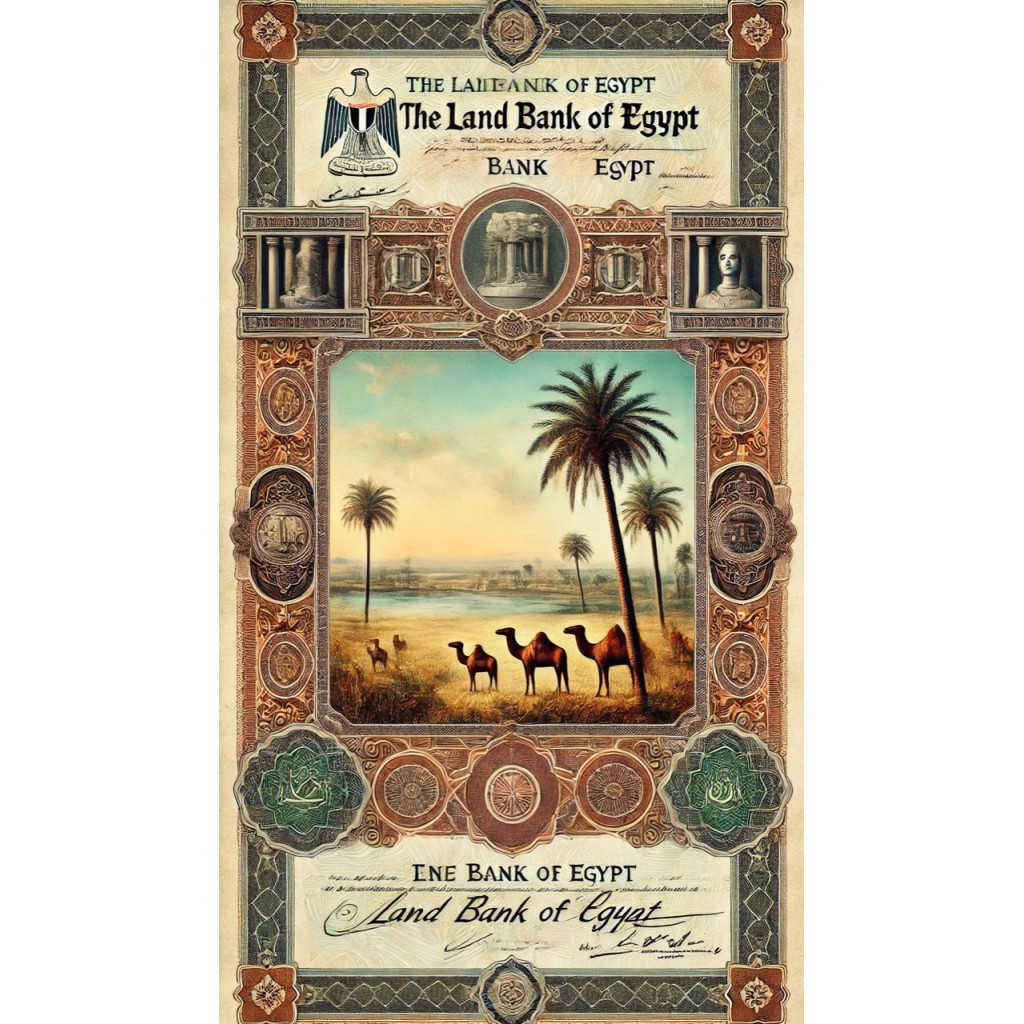
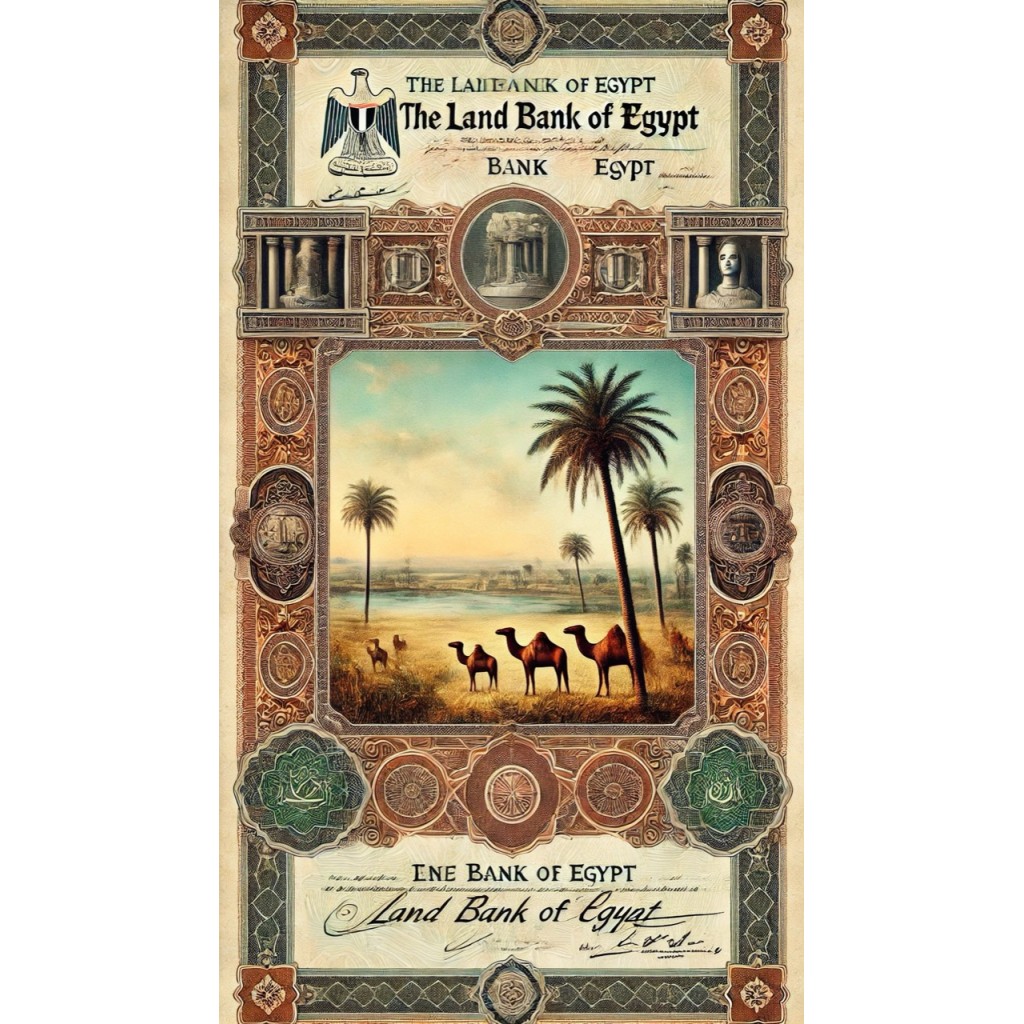
All historical documents for sale are intended for collection purposes. The documents have no economic or financial value (no economic or financial value), images that are not of the historical document are representative of the company's object and the historical period of reference are not provided but can be freely downloaded from the website and printed.