Shopping Cart
There are no more items in your cart
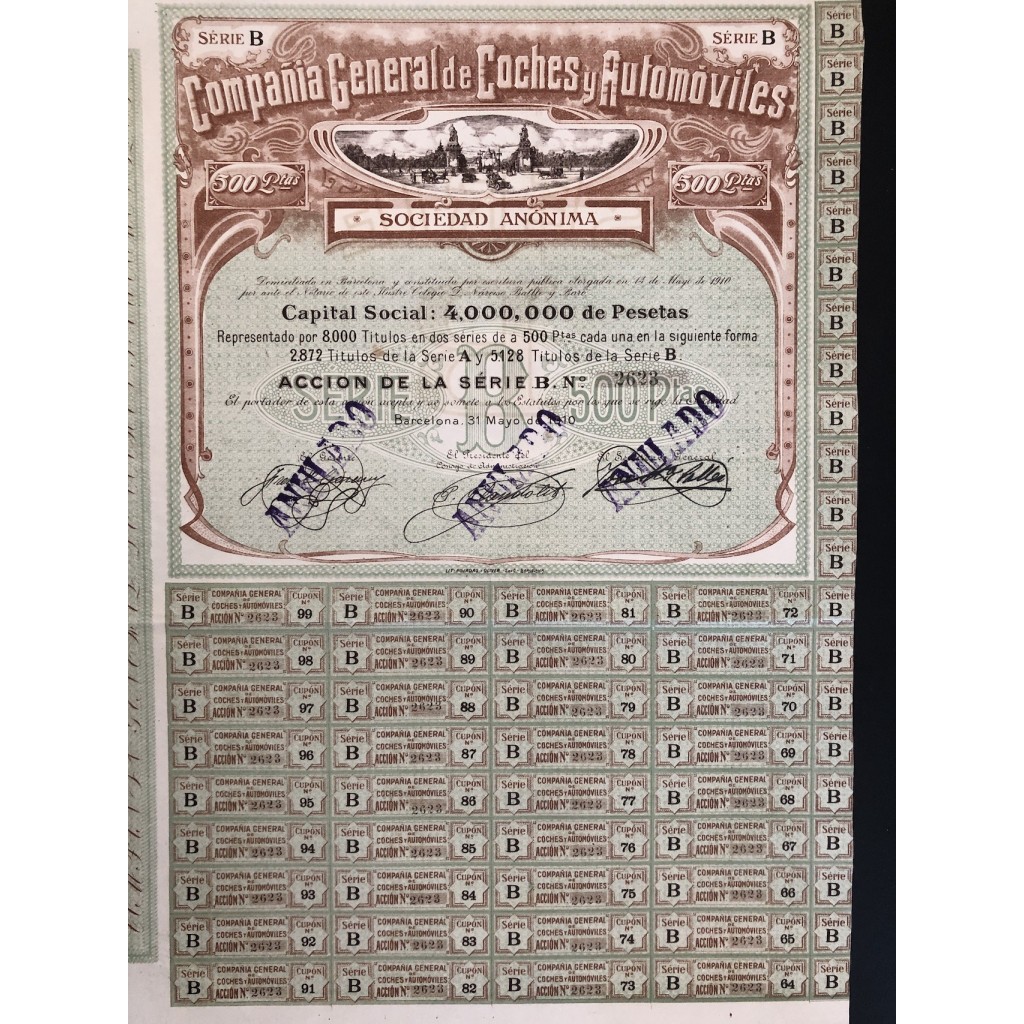
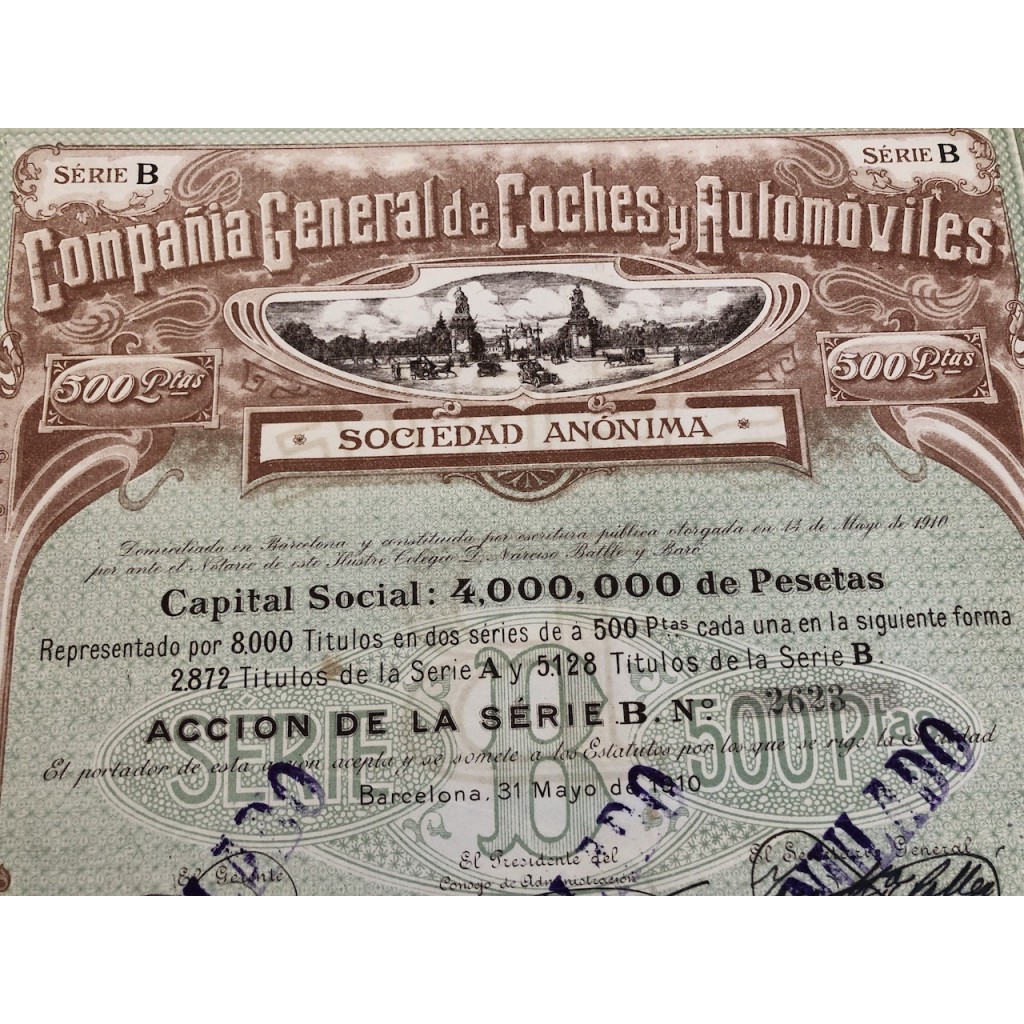
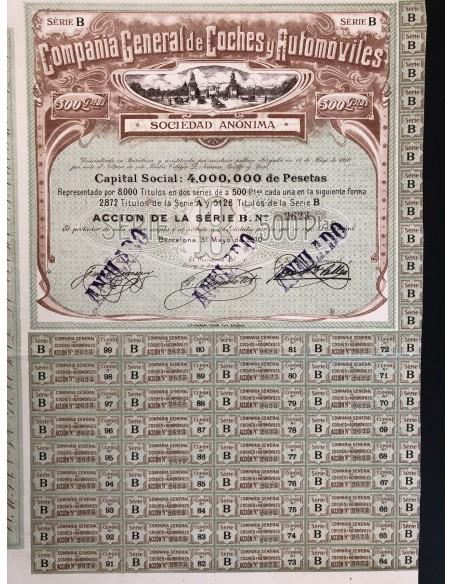
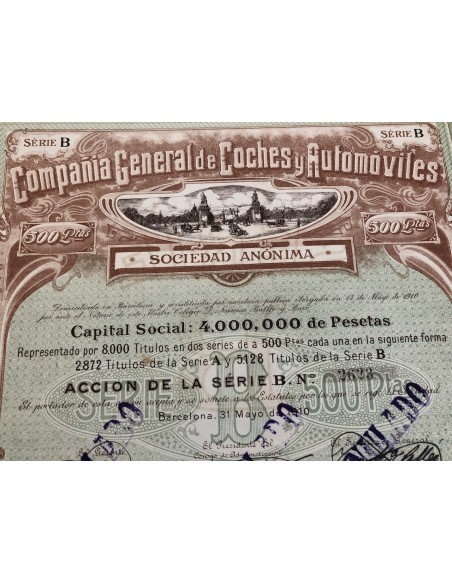
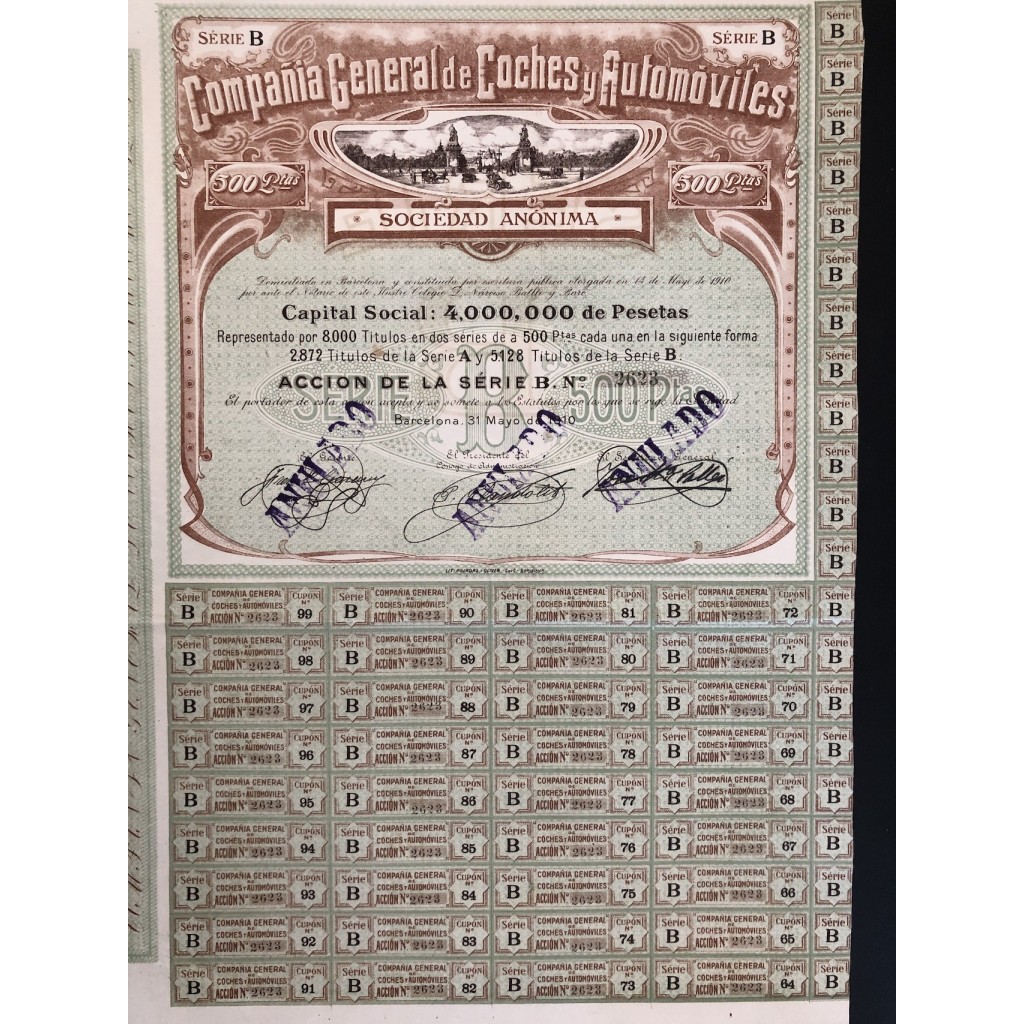
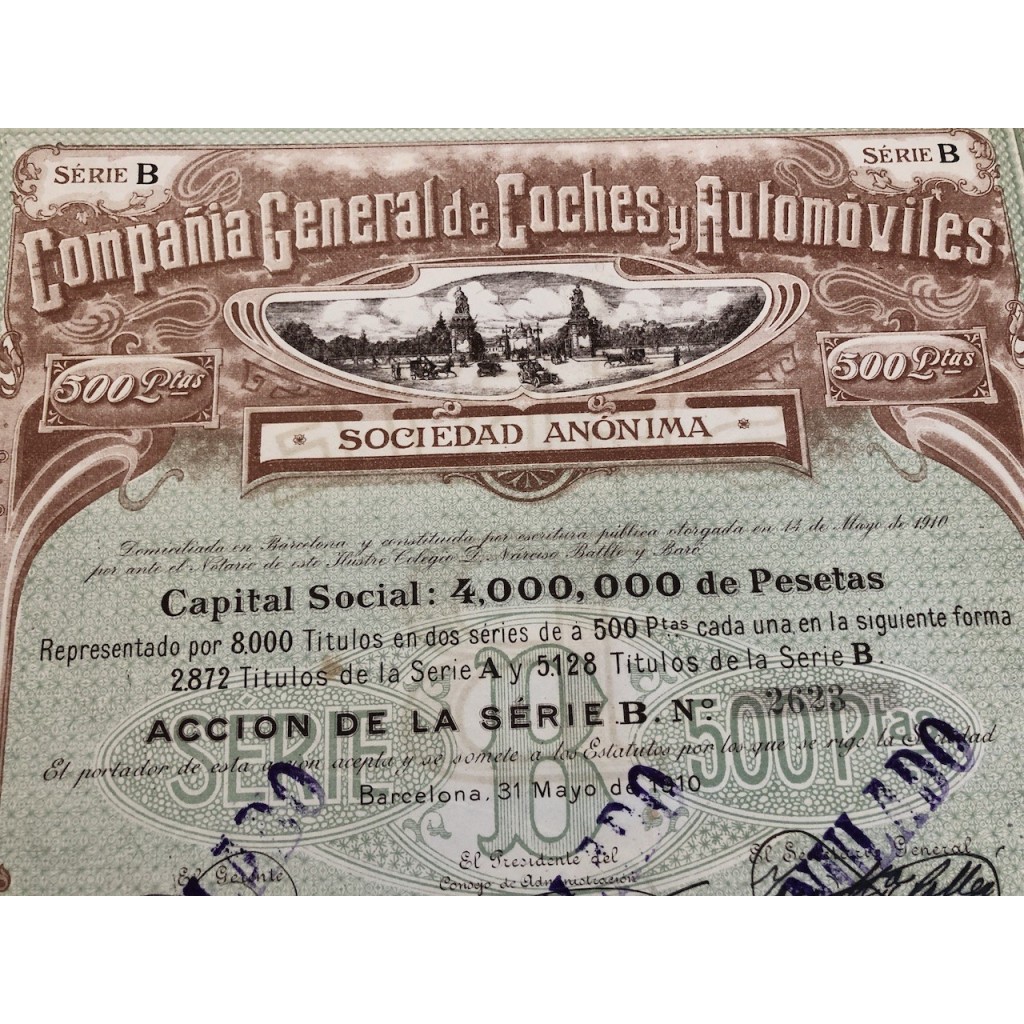
The Compañía General Española de Coches Automóviles Emilio de la Cuadra, better known as De la Quadra, was a Spanish car manufacturer active from 1898 to 1901.
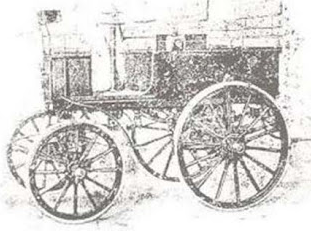
The company was founded in Barcelona in September 1898, by the artillery captain Emilio de la Cuadra, for the purpose of trading the vehicles produced by Benz & Cie. It also built electric propulsion cars designed by the Swiss engineer Carlos Vellino.
The following year, on the advice of Vellino, the company hired another Swiss engineer, twenty-one-year-old Marc Birkigt, who at the time came to Barcelona from his native Geneva in search of employment and destined to become one of the most brilliant designers in the history of the automobile and co-founder of Hispano-Suiza.
In August 1900 the electric car was completed and presented to the press during a public demonstration, which proved disastrous. The failure caused the resignation of Vellino who was replaced by Birkigt as technical director.
The latter, in the previous months, had thoroughly studied the engines of Benz & Cie., Acquiring the basic technical notions about the internal combustion engine and carrying out a project for that type of engine, subjecting it to de la Quadra who authorized it to experimental phase. After the realization of some prototypes, prepared in the last months of 1900, the company decided to put into production 6 cars complete with petrol engine.
In this adventure Emilio de la Cuadra had invested all his substance and contracted heavy debts with suppliers, so much so that the Spanish general strike of May 1901 was enough to break the fragile financial balance of the company. The entrepreneur was forced to suspend payments and obtained reinstatement in the army, leaving the company in the hands of creditors. At that time, of the six scheduled cars, five were in the assembly phase.
The company was taken over by the main creditor, José María Castro Fernández, who set up the new car maker J. Castro.