Shopping Cart
There are no more items in your cart
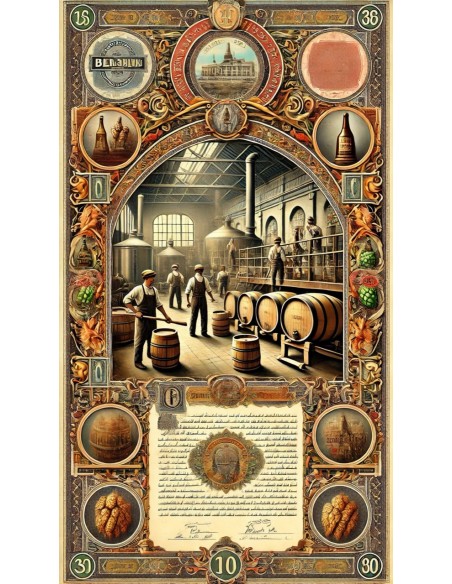
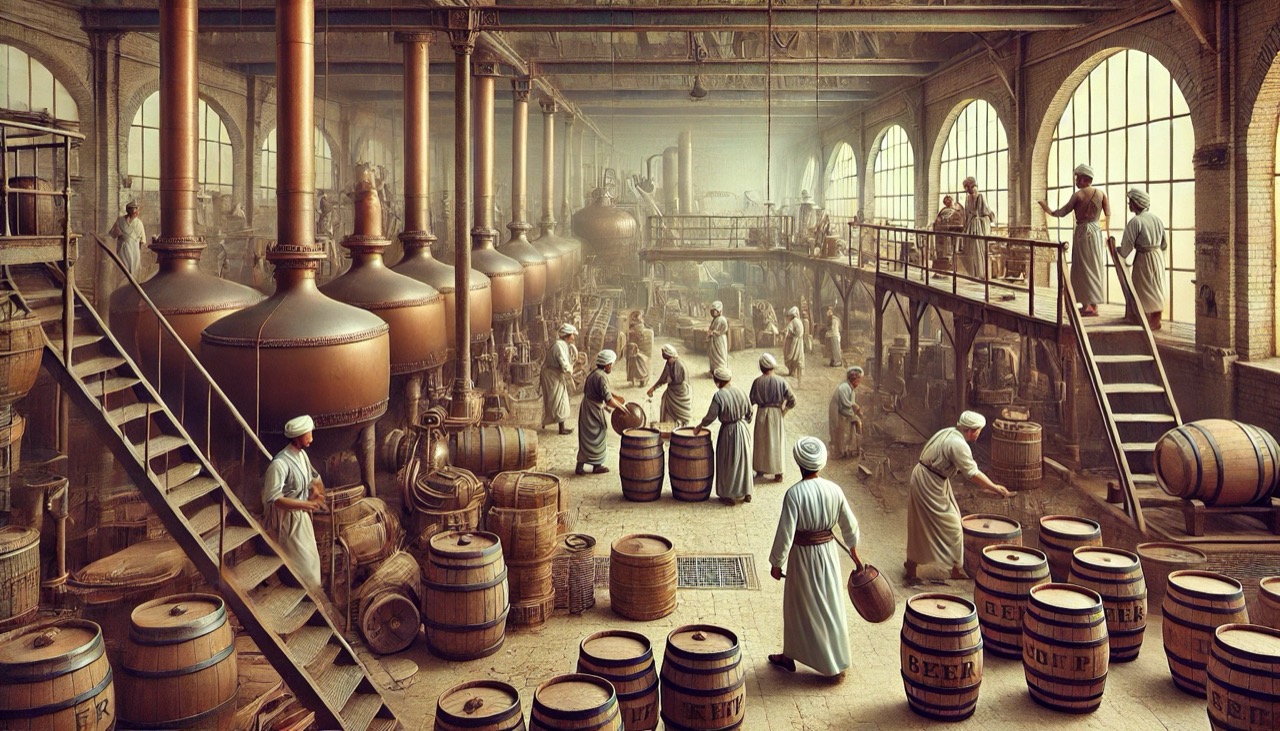
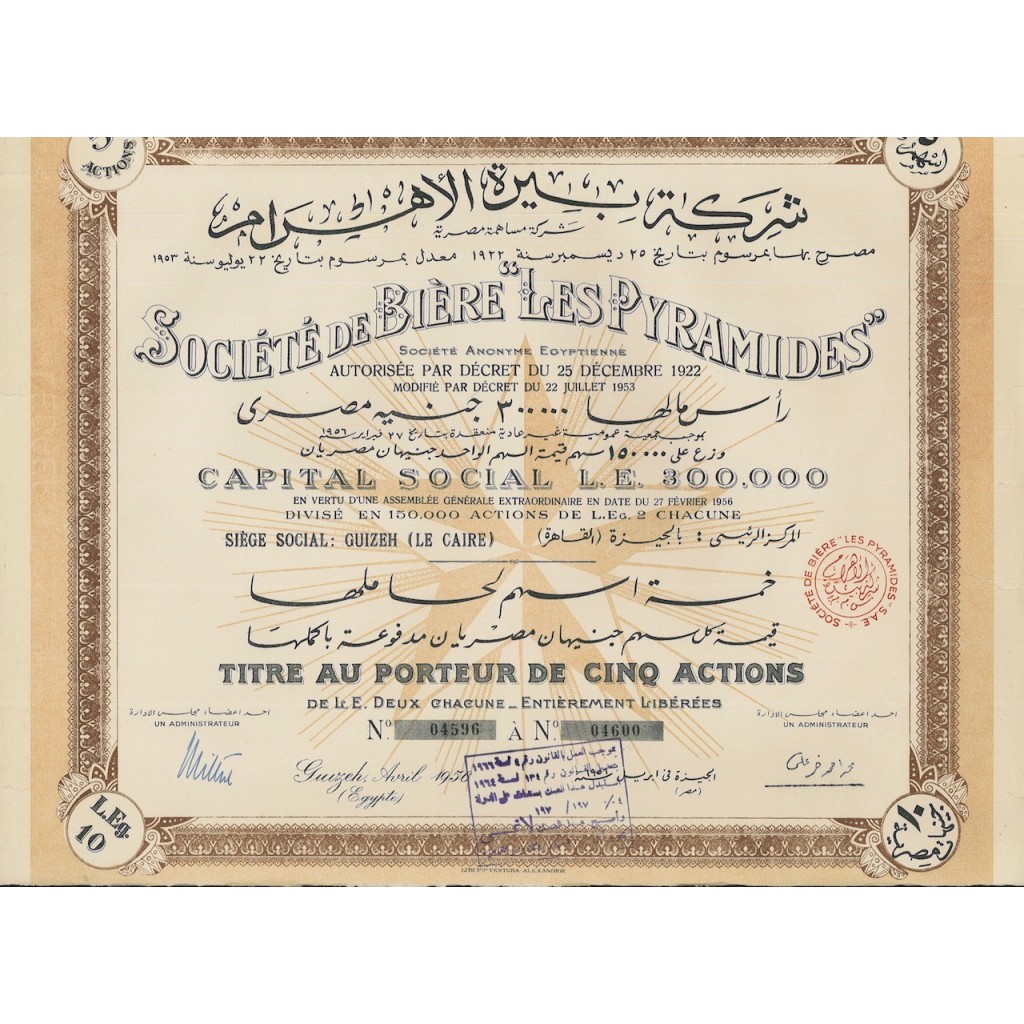
The Société de Bière "Les Pyramides" was founded on December 25, 1922, authorized by a royal decree during the era of the Kingdom of Egypt. The company, based in Gizeh (Cairo), focused on the production and distribution of beer, an industry that was growing in Egypt during the colonial period and beyond. With the industrialization of the country and the increasing demand for alcoholic beverages, "Les Pyramides" established itself as one of the leading companies in the sector.
The company's share capital, initially set at 300,000 Egyptian pounds, was divided into 150,000 shares of 2 pounds each. The document in question represents five bearer shares, issued in April 1956, a period of great political and social transformation in Egypt, shortly after the 1952 revolution and the beginning of Gamal Abdel Nasser's rule.
Historical Data of the Company
| Year | Description | Value |
|---|---|---|
| 1922 | Year of incorporation | December 25, 1922 |
| 1922 | Registered office | Gizeh (Cairo), Egypt |
| 1956 | Date of certificate | April 1956 |
| 1922 | Initial share capital | 300,000 Egyptian pounds |
| - | Share capital at dissolution | Data not available |
| - | Revenue per year | Data not available |
| - | Year of stock exchange listing | Data not available |
| - | Year of delisting from stock exchange | Data not available |
| - | Year of company dissolution | Data not available |
Document Features
| Feature | Description |
|---|---|
| Document type | Certificate of five shares |
| Nominal value | 2 Egyptian pounds per share |
| Serial number | 04596 |
| Issue date | April 1956 |
| Place of issuance | Gizeh (Cairo) |
| Decorations | Ornamental border, bilingual text (Arabic and French) |
| Printer | Imprimerie Paul Dupont, Alexandria |
Historical Context
This share certificate was issued at a time of deep transition for Egypt. The company operated in a context of growing nationalism and industrialization, where Nasser's government sought to consolidate the country's economy through a series of nationalizations and agrarian reforms. Despite this, industries related to the production of consumer goods, such as beer, continued to thrive, supported by a growing population and European cultural influence.
Artistic and Typographic Details
The document features refined graphics, with a decorative border framing the text in Arabic and French, reflecting the multicultural nature of Egypt at that time. The certificate was printed by the renowned Imprimerie Paul Dupont of Alexandria, known for its high-quality prints and its work with prominent companies and institutions.
Provenance
The certificate may have passed through several hands over the years, representing a fragment of Egypt's economic and cultural history. Its origin, attested by the signatures and stamps on the document, adds further historical value, making it a fascinating piece for collectors.
Valuation and Rarity
Shares of the Société de Bière "Les Pyramides" are considered rare, especially those issued during the post-revolutionary period. The rarity of the document and its condition significantly influence its value in the collectors' market. This certificate represents not only a historical investment but also an interesting piece of history related to the beer industry in Egypt.
Importance of Scripophily Collecting
Collecting share and bond certificates, known as scripophily, offers not only aesthetic value but also an immersion into the economic and political history of a country. Collecting documents like this one from the Société de Bière "Les Pyramides" allows one to own a tangible piece of history, a document that symbolizes the investments and developments that shaped the modern economy.
For collectors, displaying a historical certificate in an elegant frame or preserving it in a specialized album can enhance its appeal and preserve its quality. These documents are ideal not only for personal collection but also as unique gifts, historical decorations, or works of art that combine history and beauty.
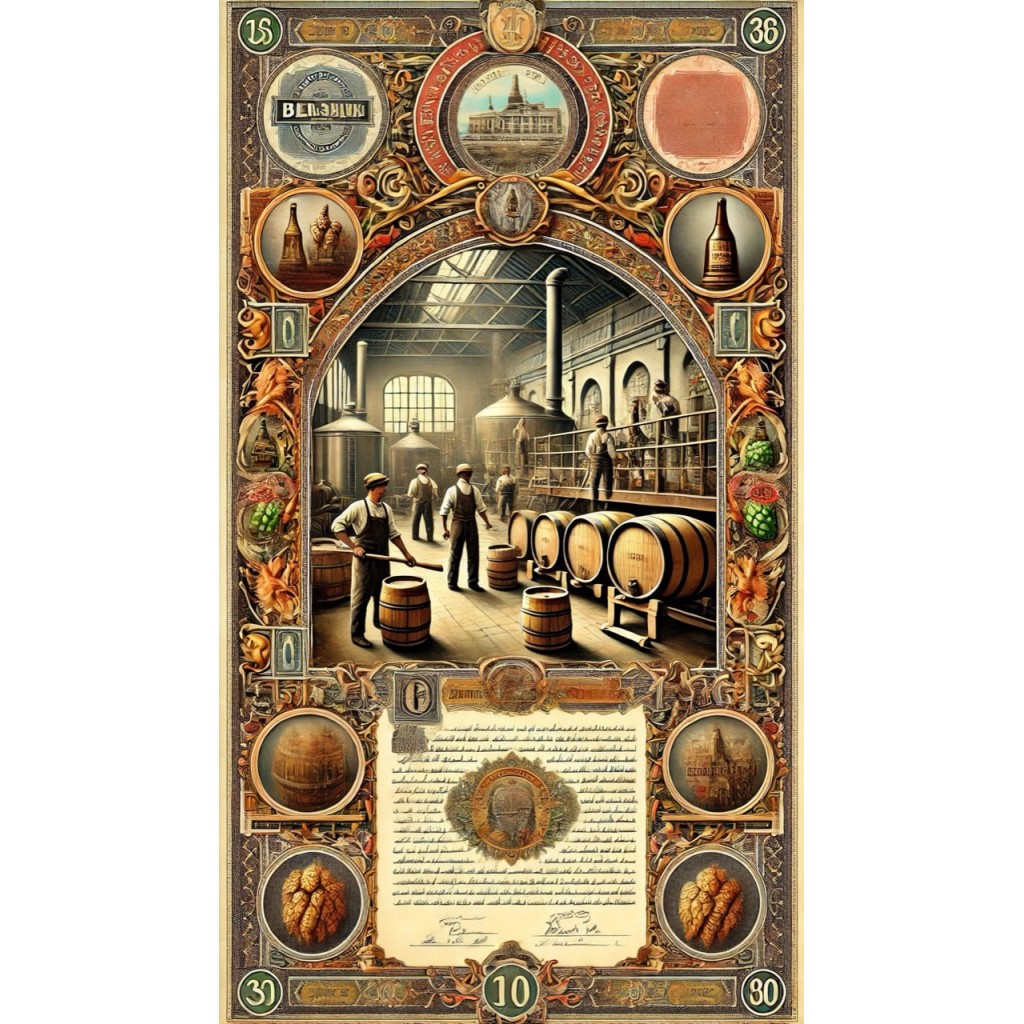
All historical documents for sale are intended for collection. The documents have no economic or financial value (no economic or financial value), and images that are not the historical document are representative of the company's object and the historical period referenced. These can be freely downloaded from the website and printed.