Shopping Cart
There are no more items in your cart
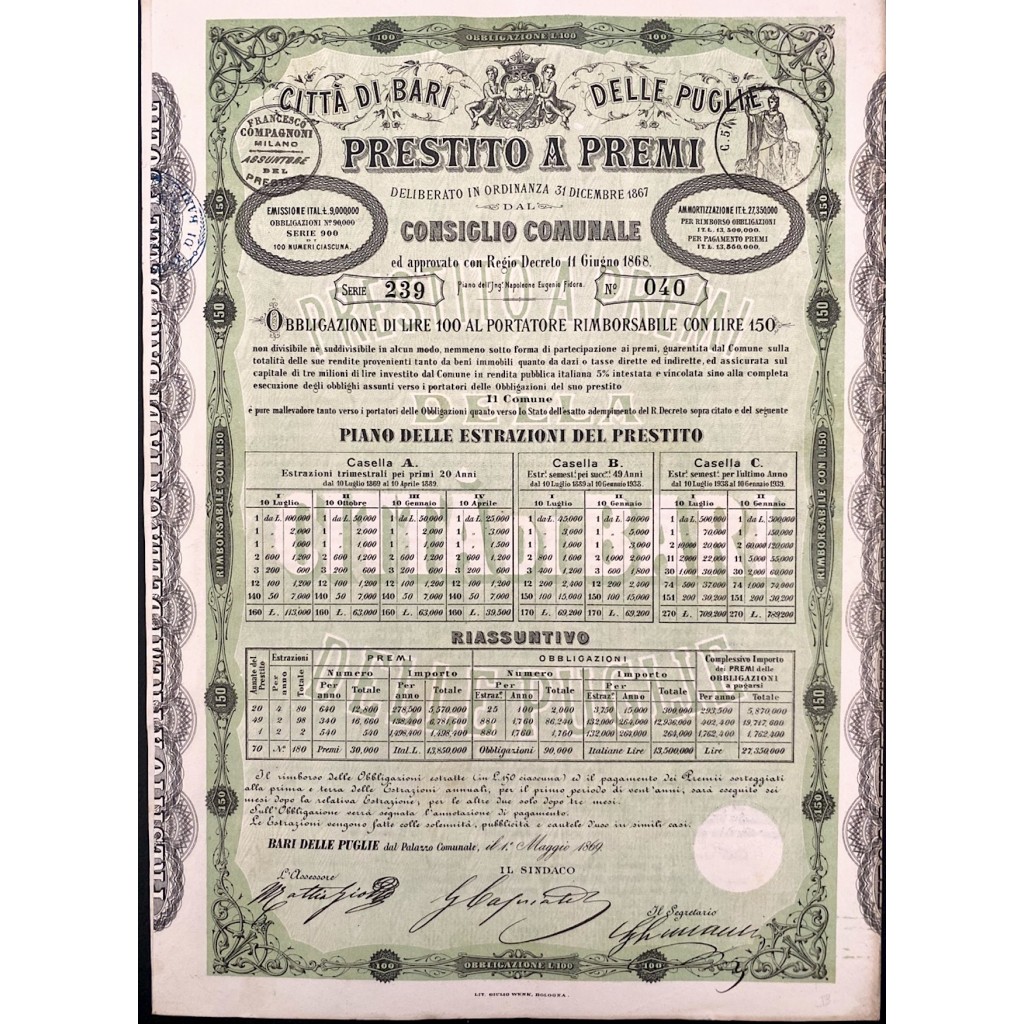
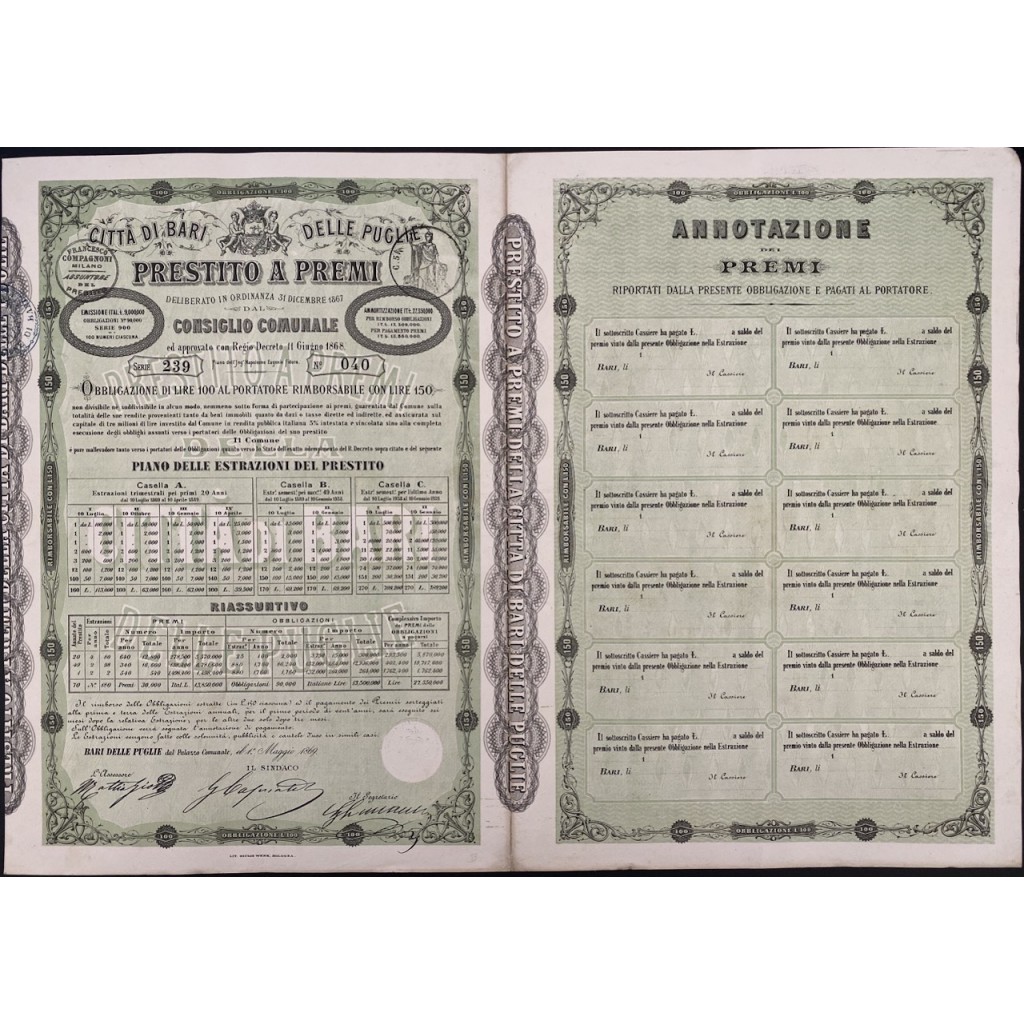
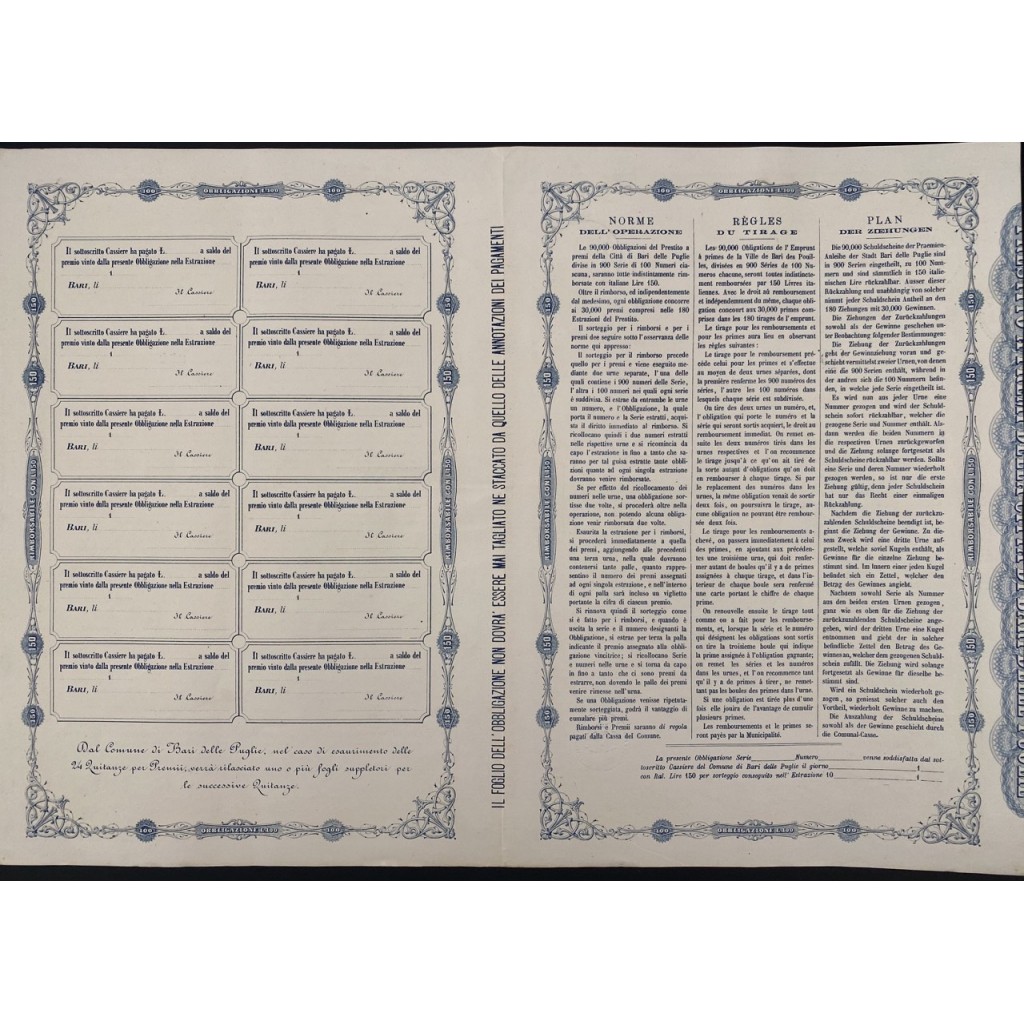
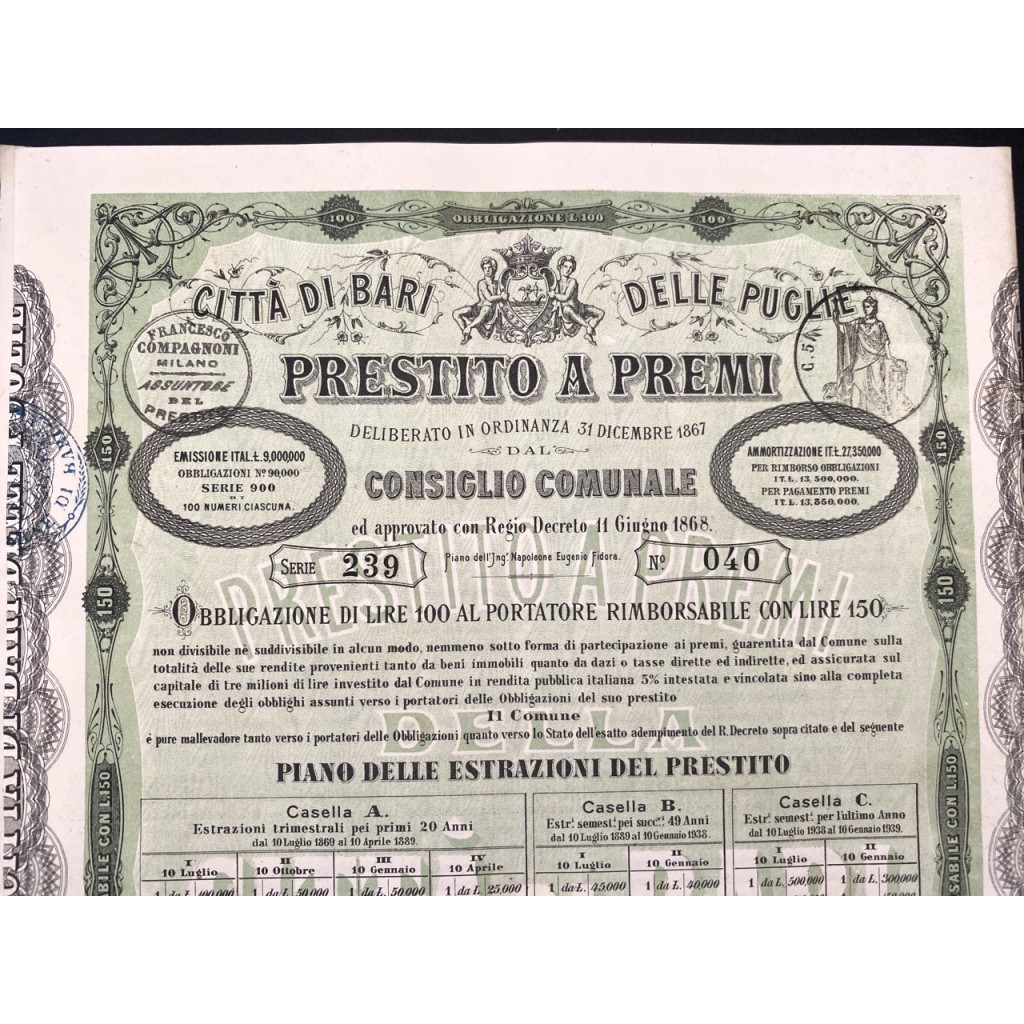
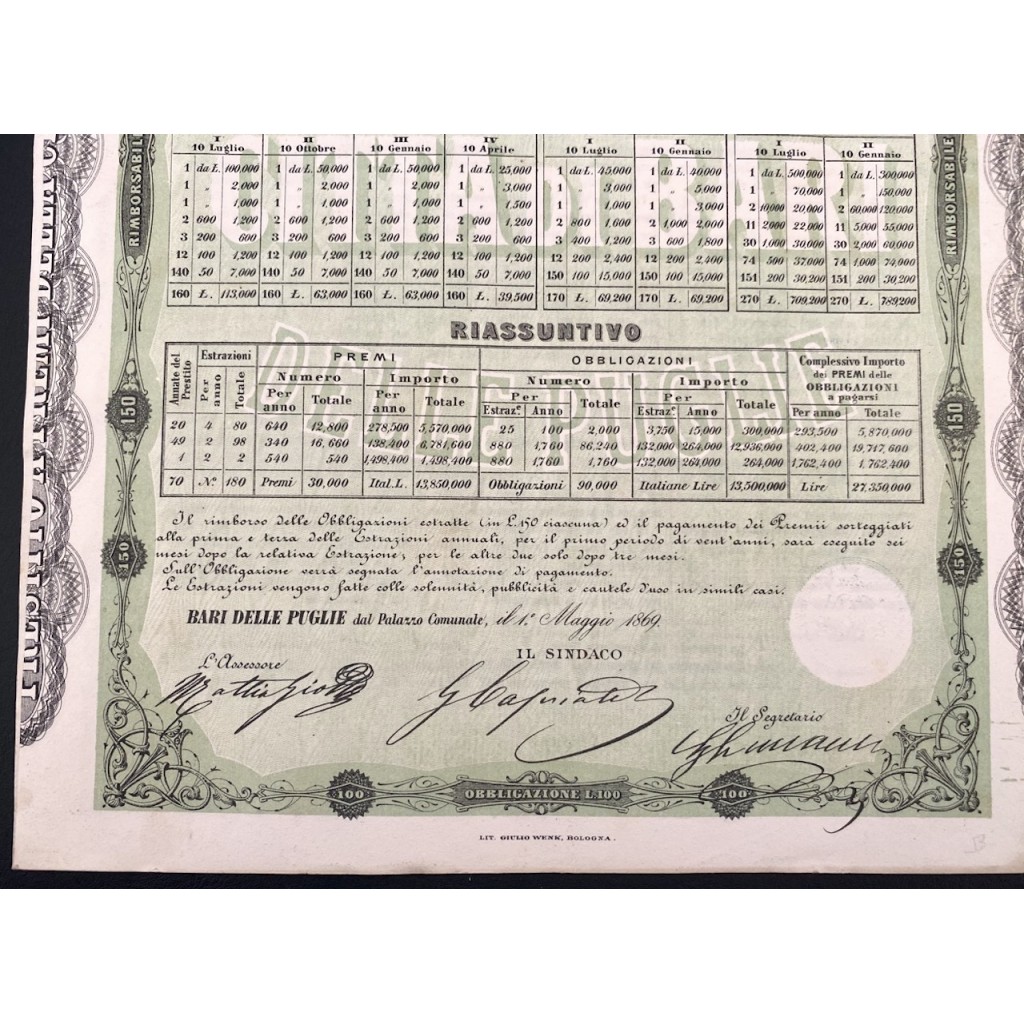
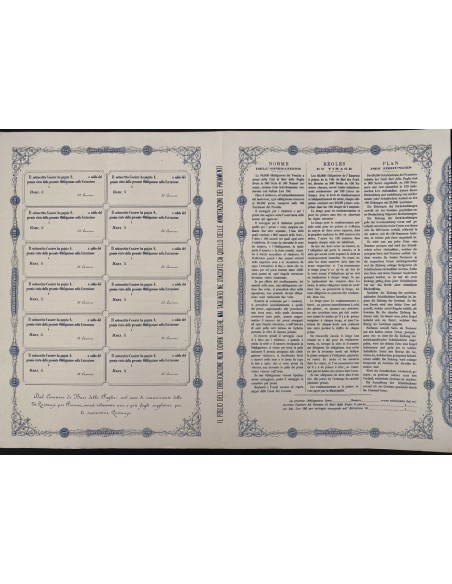
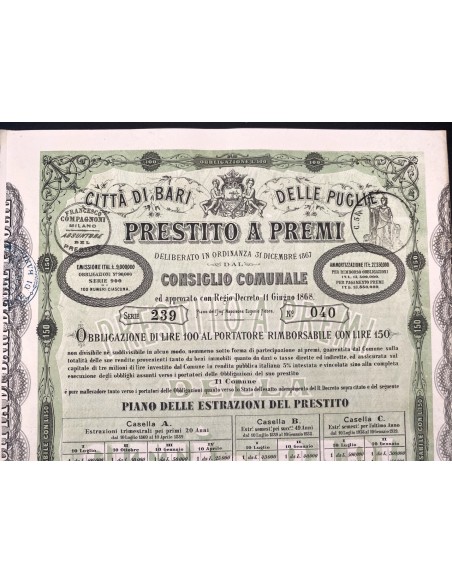
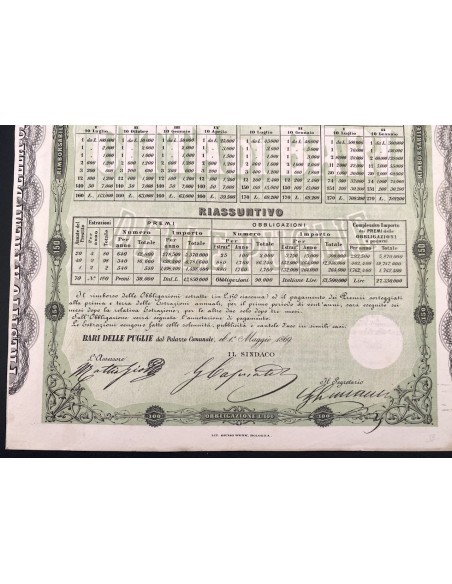
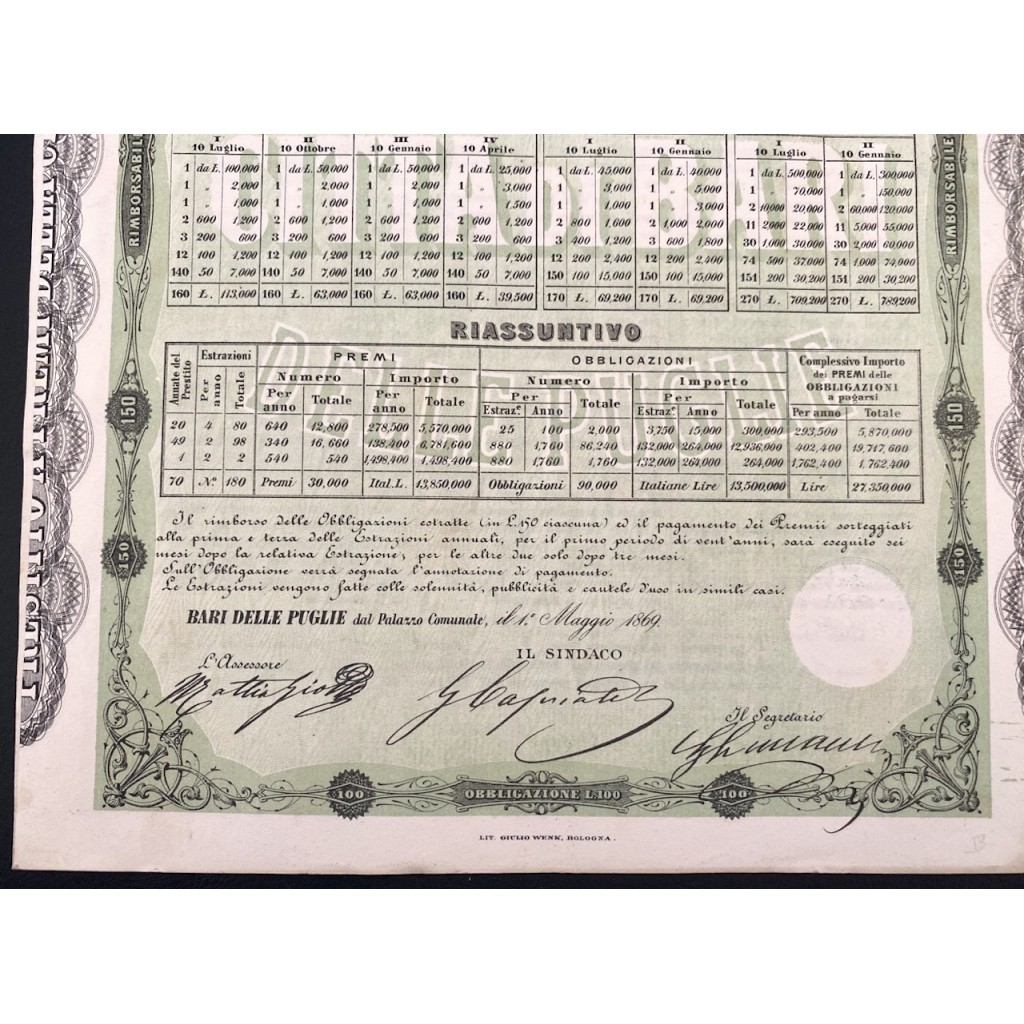
Bari is an Italian town of 320 257 inhabitants, capital of the Puglia region and of the metropolitan city of the same name.
On 24 April 1813, with Gioacchino Murat, the first stone of the town's expansion was placed outside the medieval walls ("new village", or "Murattian village"), characterized by the orthogonal layout of the streets. The population grew rapidly from the 18,000 inhabitants to the 94,000 at the beginning of the twentieth century: having become the provincial capital, there were located buildings and public institutions (Piccinni Theater, the Chamber of Commerce, the Apulian Aqueduct, the Petruzzelli Theater, the University degli Studi) and Laterza publishing house.
During the First World War, the 101st Squadron arrived in September 1916 and remained until January 18, 1919.
During the Fascist period, the monumental waterfront was built and the Fiera del Levante was inaugurated, with which the design of "Bari Gate of the East" was established, consecrated in recent years by the role of "European gateway" assigned by the Union European.
In the mid-twentieth century the city expanded further, in a disorderly fashion, reaching almost 400,000 inhabitants in the seventies and eighties.
The city, made metropolis, faces the phenomena of commuting and deurbanization, while the tertiary and the industrial area are growing. Due to its location, Bari welcomes a significant flow of immigration from the east. On 8 August 1991 the Vlora ship docked in the port, loaded with over twenty thousand Albanians.
At the gates of 2000 the old city was restructured and given new life, while a profound infrastructural renewal involving the port, airport, interport and railway started at the end.