Shopping Cart
There are no more items in your cart
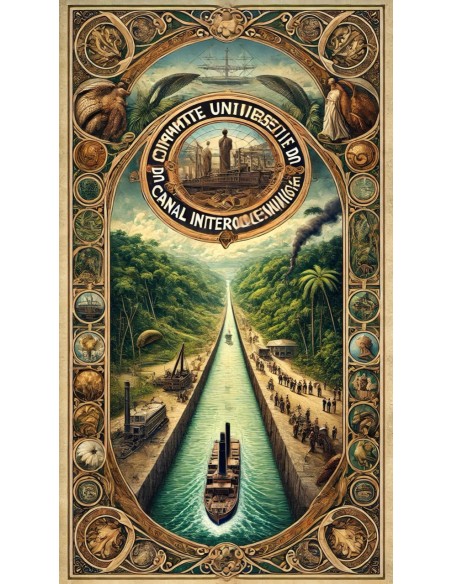
Compagnie Universelle du Canal Interocéanique de Panama: A Monumental Vision of Global Connection
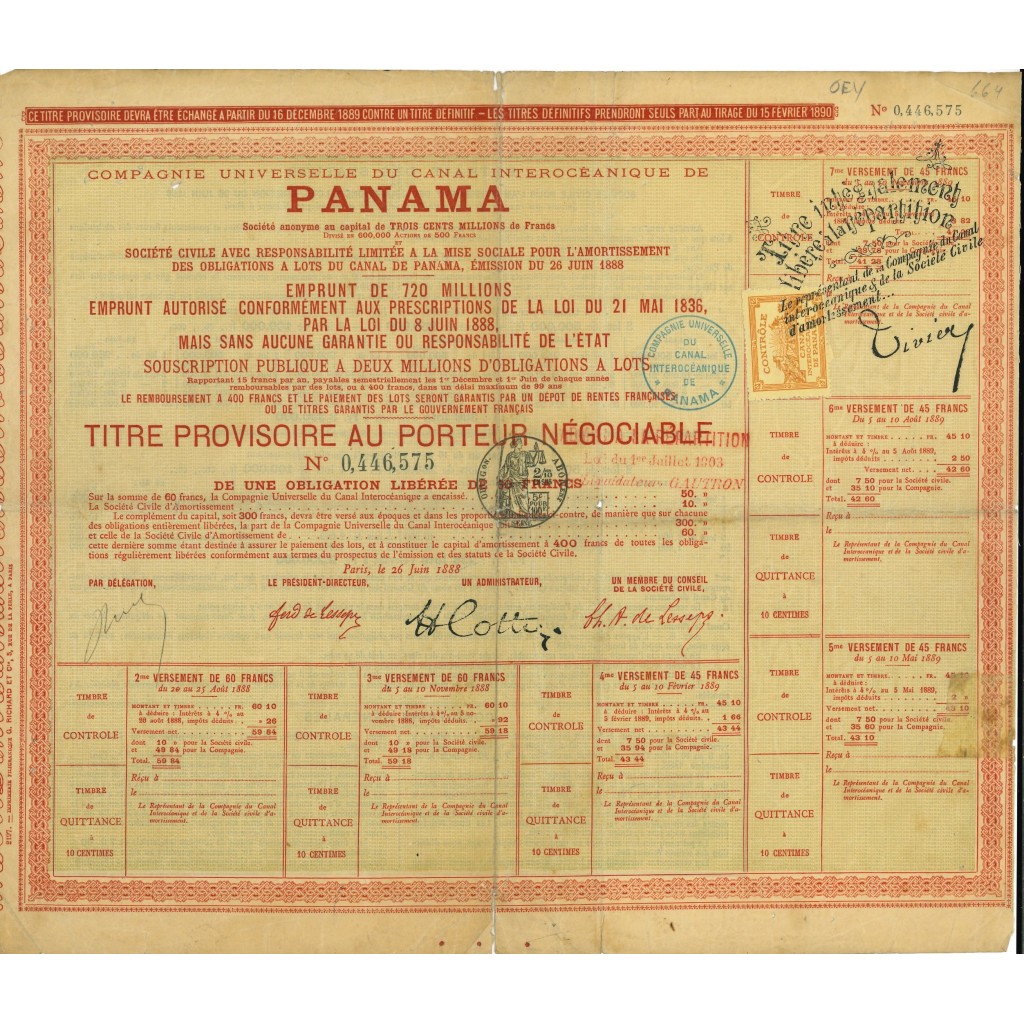
The Compagnie Universelle du Canal Interocéanique de Panama, founded in 1879 under the leadership of visionary engineer Ferdinand de Lesseps, represents one of the most ambitious and controversial projects of the 19th century. The certificate presented, dated June 26, 1888, is a historical testament to the ambition of creating a canal that would connect the Atlantic and Pacific Oceans, revolutionizing global trade and solidifying France’s role in global infrastructure expansion.
Historical Context and the Canal Project
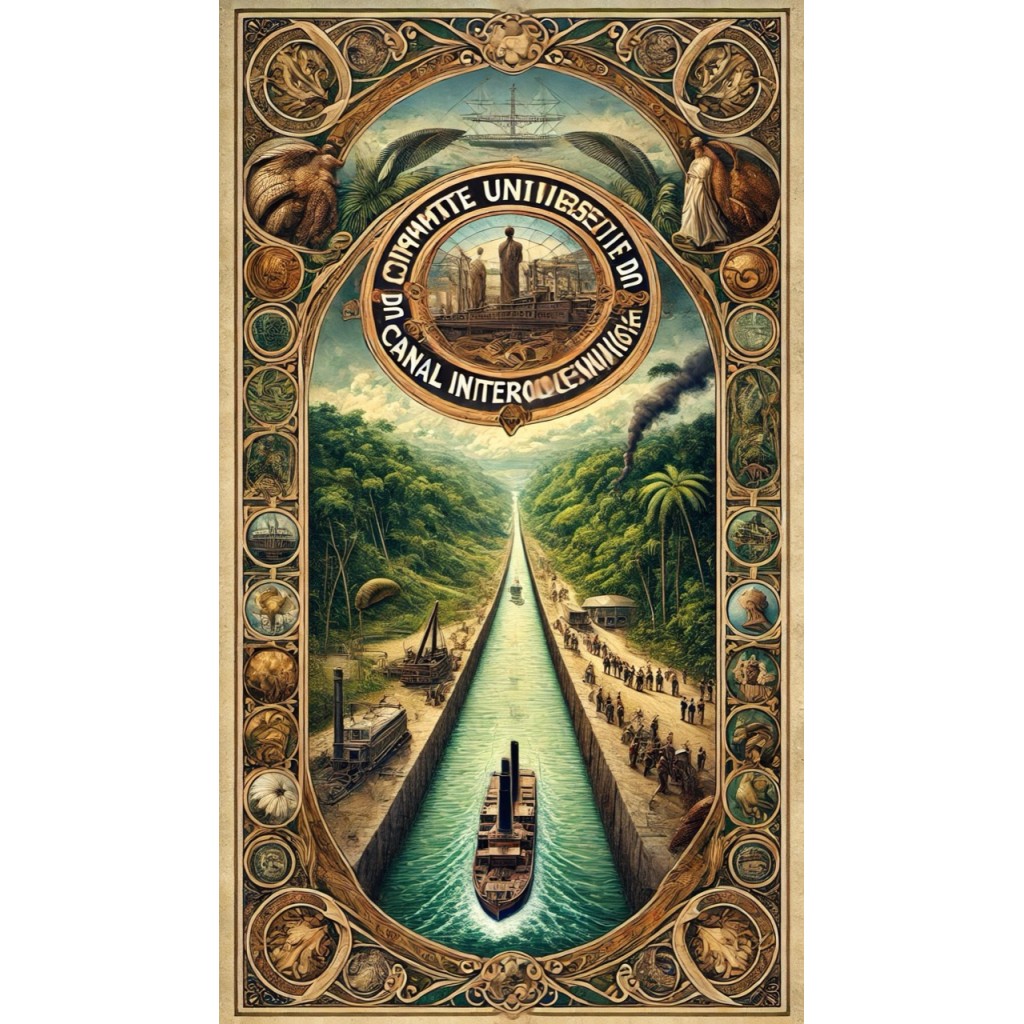
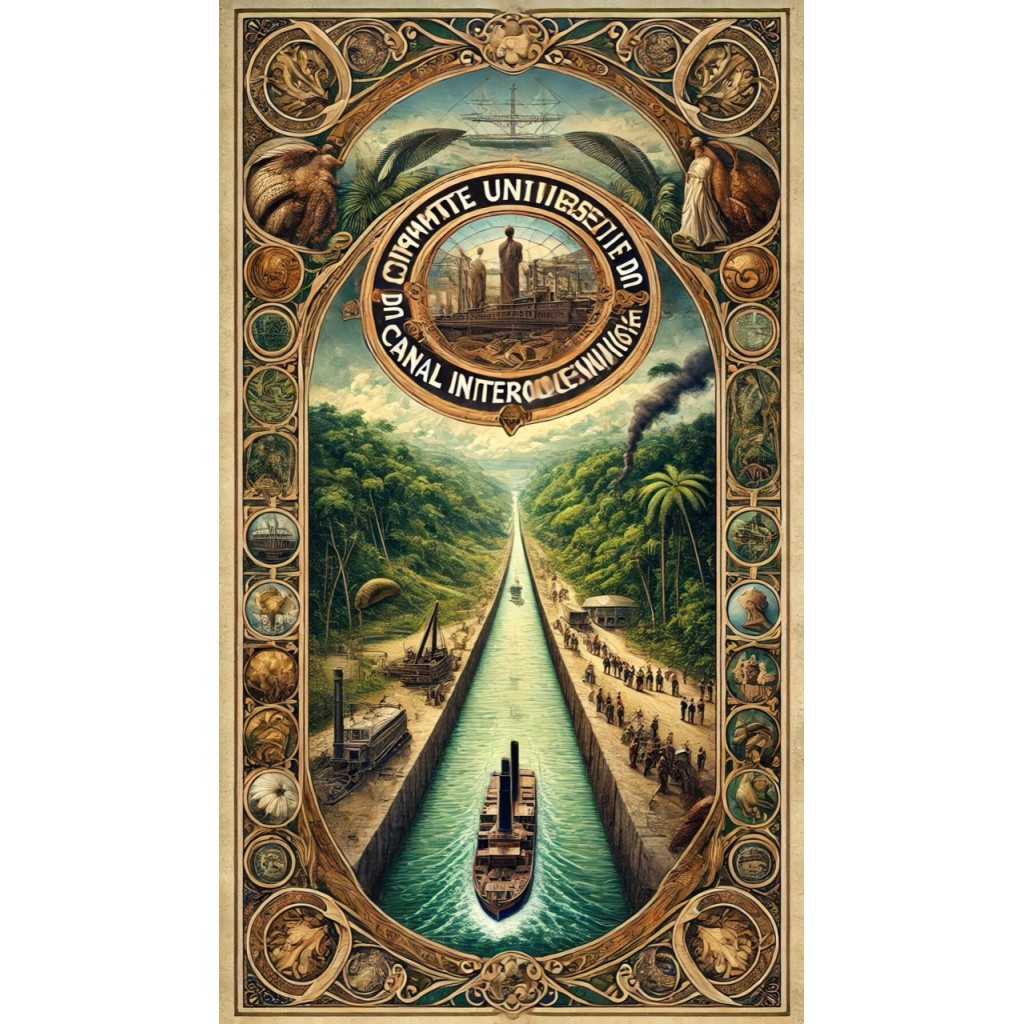
At the end of the 19th century, constructing a canal across the Isthmus of Panama was considered one of the world’s most important engineering feats. Following the success of the Suez Canal, completed in 1869, Ferdinand de Lesseps led a new project to create an interoceanic waterway that would significantly reduce shipping time and costs between Europe, the Americas, and Asia.
However, Panama’s geography posed far greater challenges than Suez, including dense tropical forests, diseases like malaria and yellow fever, and technical difficulties related to mountains and rivers. Despite these obstacles, the Compagnie Universelle began the project with great enthusiasm, raising funds through the sale of shares and bonds, such as the certificate shown here.
Certificate Structure and Financial Plan
This certificate represents a fully paid bond with a nominal value of 400 francs, part of a 720-million-franc issuance authorized under the law of June 8, 1888. Bondholders were entitled to guaranteed repayment, although without direct backing from the French government, increasing investment risks.
The certificate’s design is simple yet formal, providing detailed information about the required payments and repayment plan. It includes sections for installment payments, stamped and validated, reflecting the transparency and rigor with which the company sought to manage such a significant endeavor. The signatures of key project figures, such as the president and administrators, lend further authority to the document.
Failure and Consequences
Despite the initial enthusiasm, the Compagnie Universelle faced insurmountable challenges. A lack of adequate technology, harsh climatic conditions, and epidemics caused project costs to soar, leading to bankruptcy in 1889. This event, known as the Panama Scandal, became one of the largest financial scandals of the 19th century, involving thousands of investors and high-profile political figures.
The project was later revived by the United States in 1904, with the canal completed in 1914. Despite the failure of the Compagnie Universelle, the dream of connecting the oceans became a reality, transforming global trade.
Historical Significance and Collectible Value
Today, certificates from the Compagnie Universelle du Canal Interocéanique de Panama are highly sought after by collectors for their historical and financial significance. These documents represent not only an important chapter in the history of global infrastructure but also a lesson in the challenges and risks associated with large-scale development projects.
The certificate’s appearance, with its precise design and authentic signatures, reflects the importance and weight of an endeavor that, despite its initial failure, left an indelible mark on the history of trade and engineering.
Conclusion
The Compagnie Universelle du Canal Interocéanique de Panama remains a symbol of ambition, innovation, and the challenges of pursuing monumental visions. This certificate is not just a financial document but also a tangible testament to an era of great global transformation. For collectors and historians, it represents a unique opportunity to own a fragment of one of history’s most daring and debated enterprises.