Shopping Cart
There are no more items in your cart
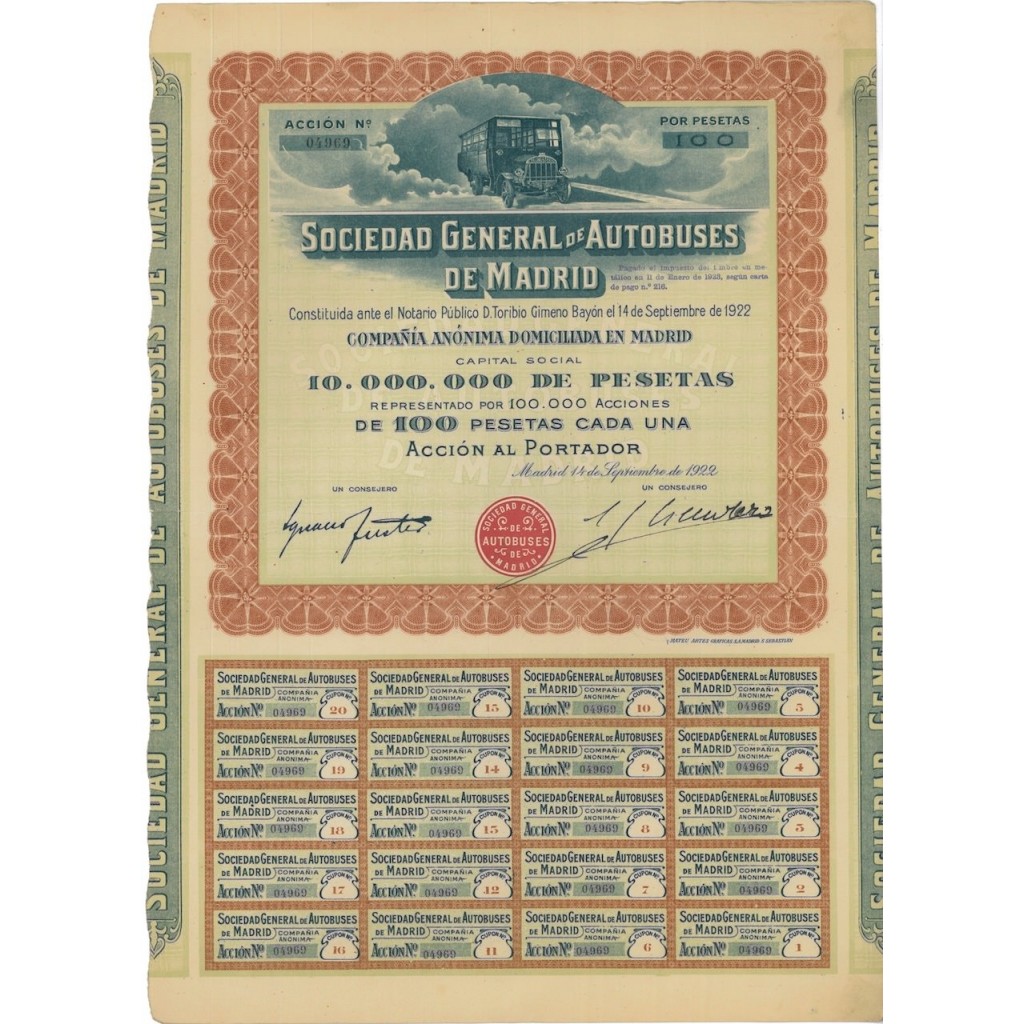
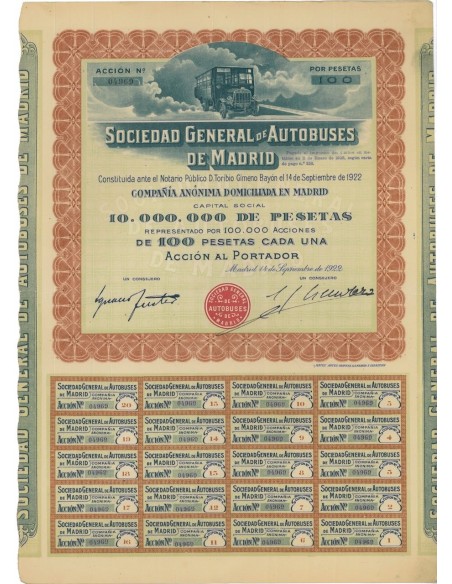
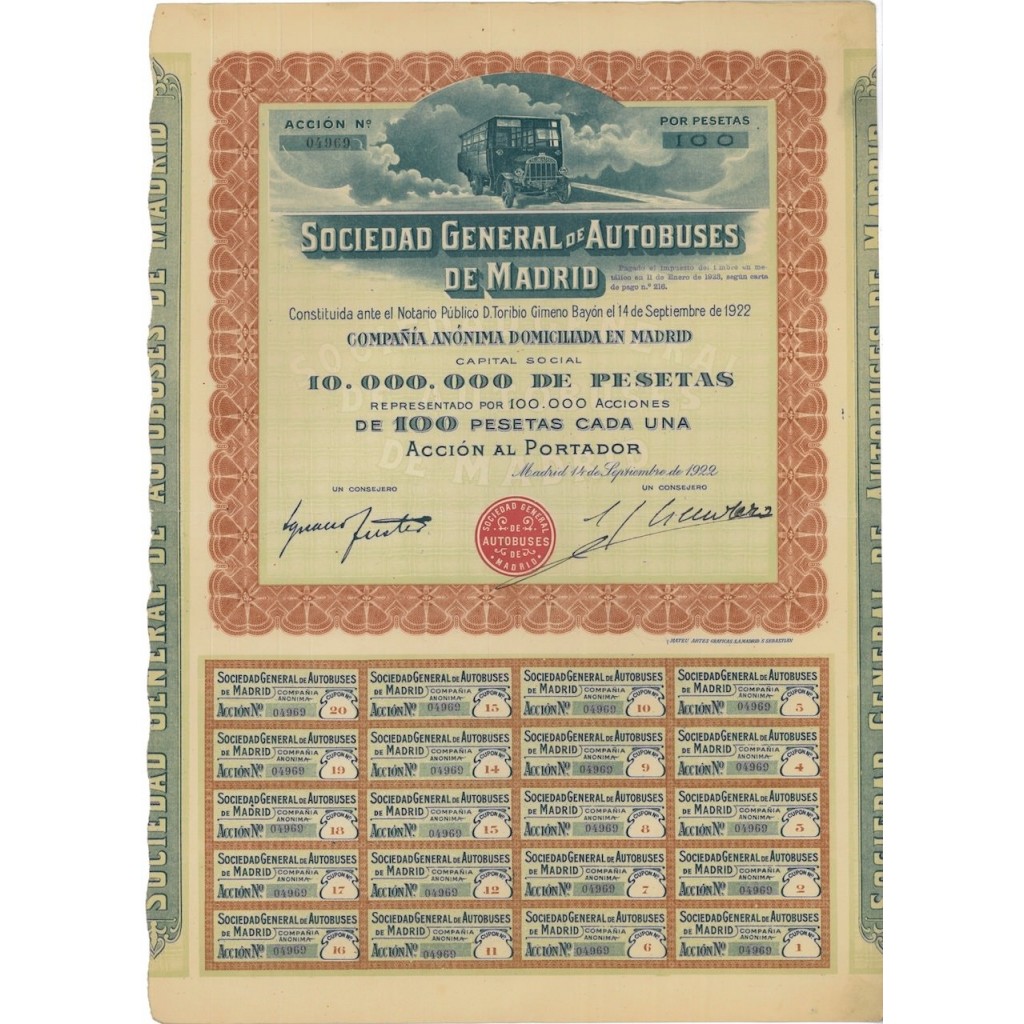
The Sociedad General de Autobuses de Madrid was established in 1922 in Madrid with a share capital of 10,000,000 pesetas, divided into 100,000 shares of 100 pesetas each. This company played a crucial role in the development of urban mobility in the Spanish capital, significantly contributing to the modernization of the public transport system.
Founded during a period of economic and industrial growth, the Sociedad General de Autobuses de Madrid was part of a context of rapid urban transformations, where cities were adapting to the needs of a growing population increasingly dependent on public services. The introduction of a modern bus network represented a significant advance compared to traditional means of transport, such as trams and horse-drawn carriages.
The share certificate depicted in the document is a notable example of scripophily, with artistic details that include an engraving of a bus from the era, in an Art Deco style, reflecting the technological optimism of the time. The document was likely printed by the "Mateu, Artes Gráficas y Litografía" printing house, one of the most prestigious of the time, renowned for the quality of its prints and attention to artistic and typographic details. The fonts used in the certificate and the design of the decorative border indicate great care in aesthetics, a common feature in financial documents of the era.
Historical Context
The certificate was issued during a period of significant economic and social upheaval. Spain, despite internal political turmoil, was experiencing a phase of industrial expansion and urbanization. Madrid, in particular, was growing as a nerve center of commerce and finance. The need for an efficient and modern public transport system had become a priority, and the Sociedad General de Autobuses de Madrid responded to this need, introducing a bus network that would positively influence the daily life of the population.
The company operated successfully for several decades until changes in the economic landscape and the evolution of transport led to its merger or cessation. The document in question is a piece of history, a witness to an era of transition and modernization.
Historical Data of the Company
| Corporate Data | Details |
|---|---|
| Year of incorporation | 1922 |
| Headquarters | Madrid |
| Share capital at incorporation | 10,000,000 pesetas |
| Number of shares | 100,000 |
| Nominal value per share | 100 pesetas |
| Year of stock exchange listing | Not available |
| Year of delisting from the stock exchange | Not available |
| Year of company cessation | Not available |
| Last available share capital | Not available |
| Document printing | Mateu, Artes Gráficas y Litografía |
| Graphic artist | Not identified |
Title Provenance
This share certificate originally belonged to one of the company's early investors and passed through various hands before entering the collector's market. Documentation regarding its authenticity and past history is available upon request, offering greater assurance and added value to the potential buyer.
Valuation and Rarity
The rarity of this certificate is high, as the Sociedad General de Autobuses de Madrid represents one of the first urban transport companies in the Spanish capital. Compared to other similar certificates, the artistic quality and preservation state of this document make it particularly desirable for collectors.
For Scripophily Collectors
Scripophily collecting is a passion that not only allows you to own unique pieces of economic history but also to explore and understand the historical and cultural contexts from which these documents emerge. This share certificate is an extraordinary opportunity to enrich a collection with a piece of Spanish history, which can be elegantly framed or carefully preserved in a dedicated album.
Using the Document as a Gift
In addition to its collectible value, this document can be a unique author gift, ideal for history, art, and design enthusiasts. It can be used as a decorative element, adding a touch of elegance and history to any environment, be it a home or office.
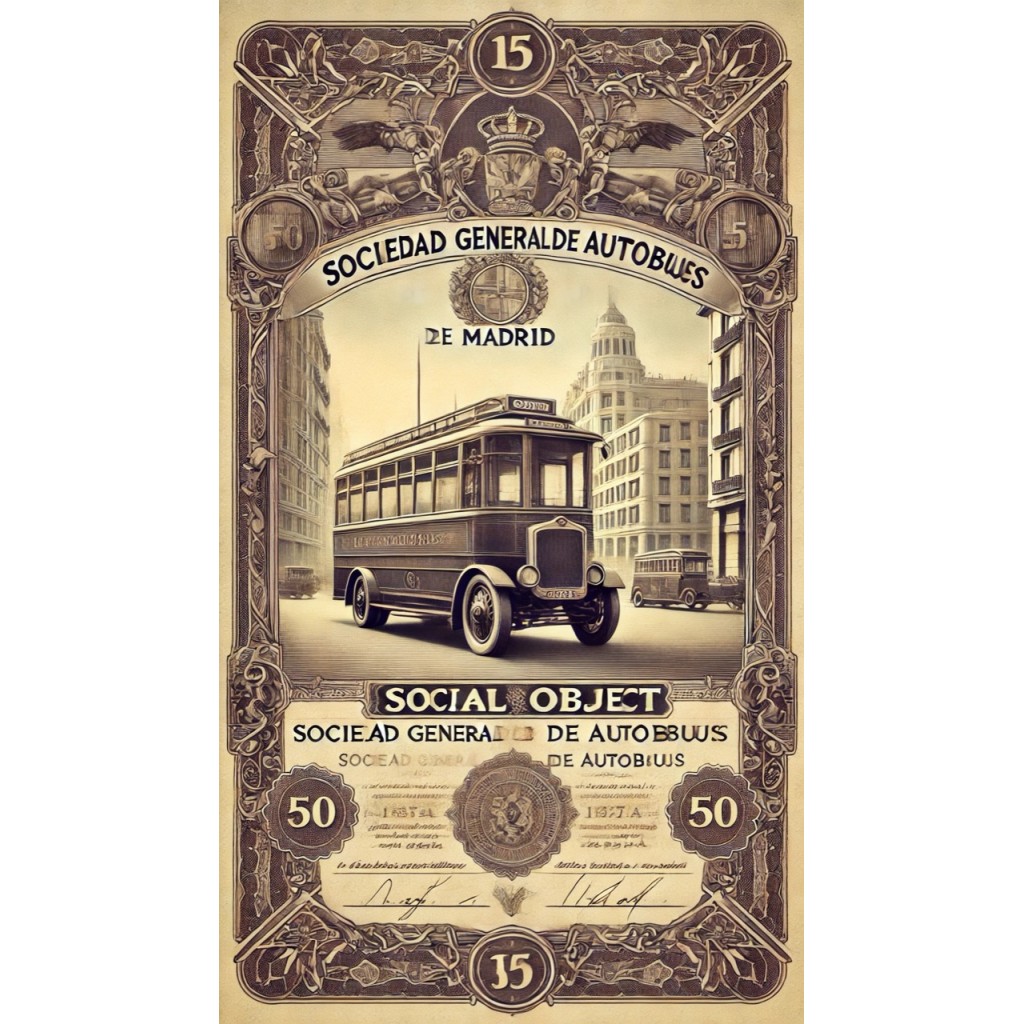
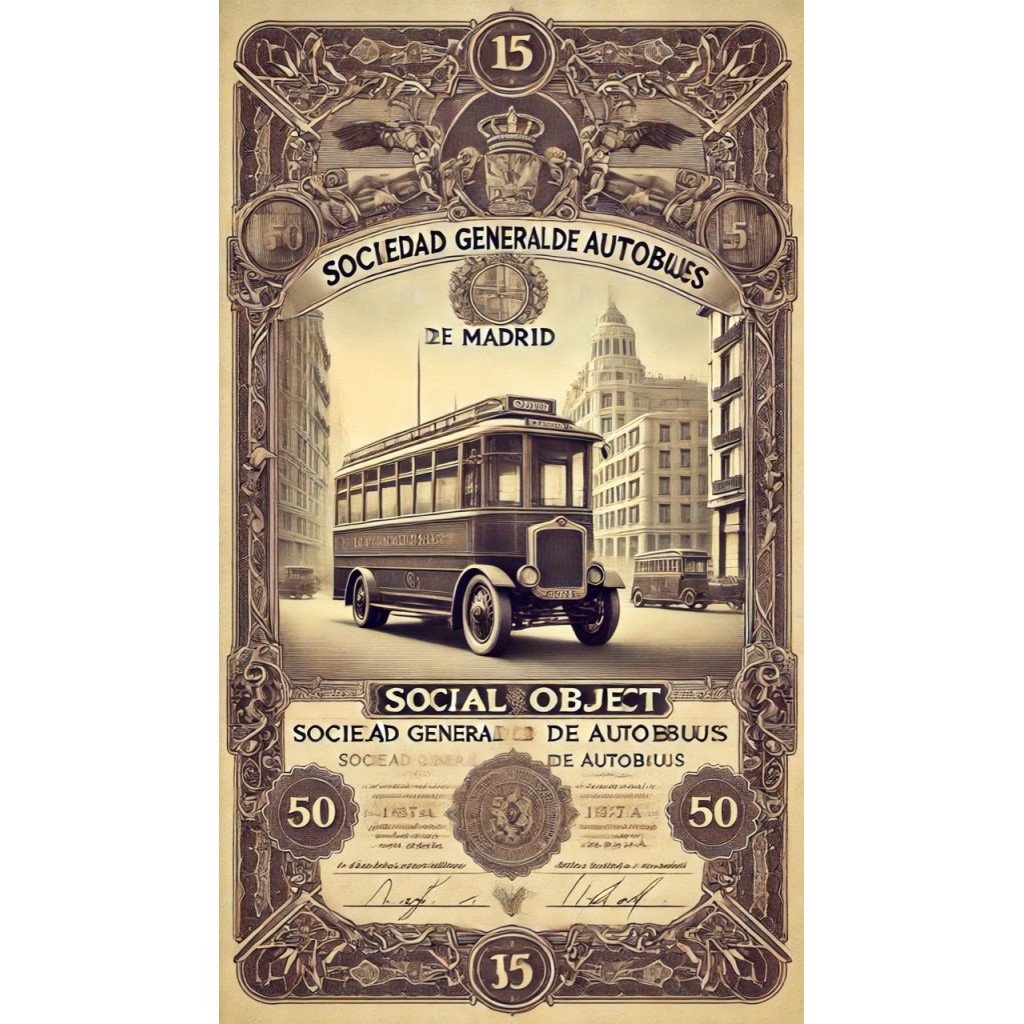
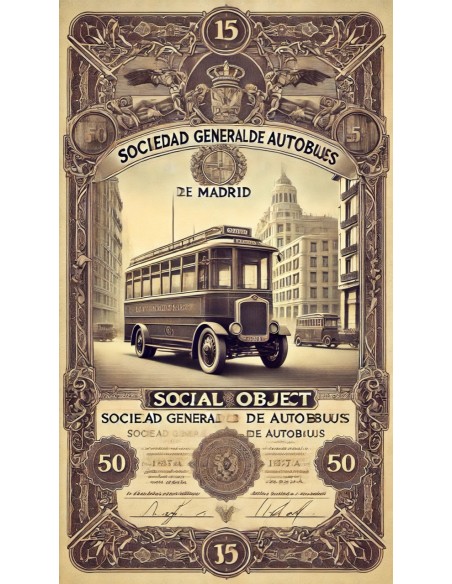
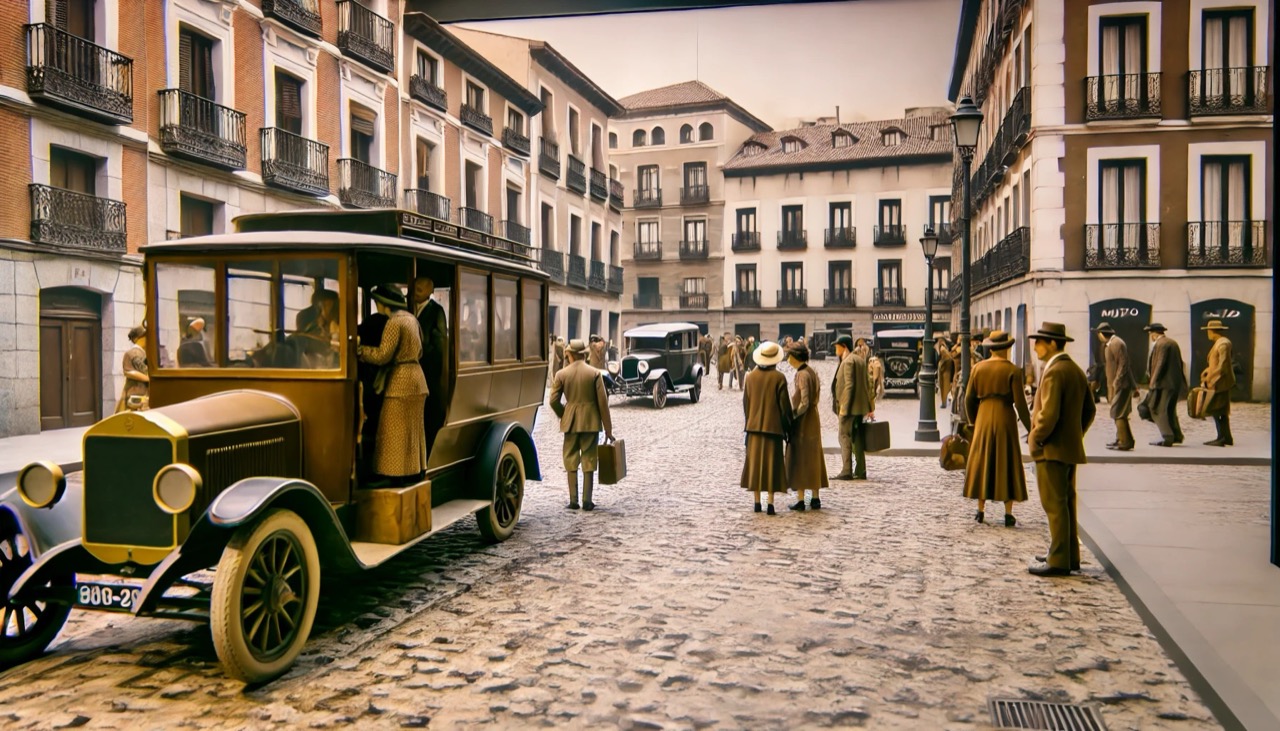
All historical documents for sale are intended for collection purposes. The documents have no economic or financial value (no economic or financial value); images that are not the historical document are representative of the company's object and the historical period of reference, they are not provided but can be freely downloaded from the website and printed.