Shopping Cart
There are no more items in your cart
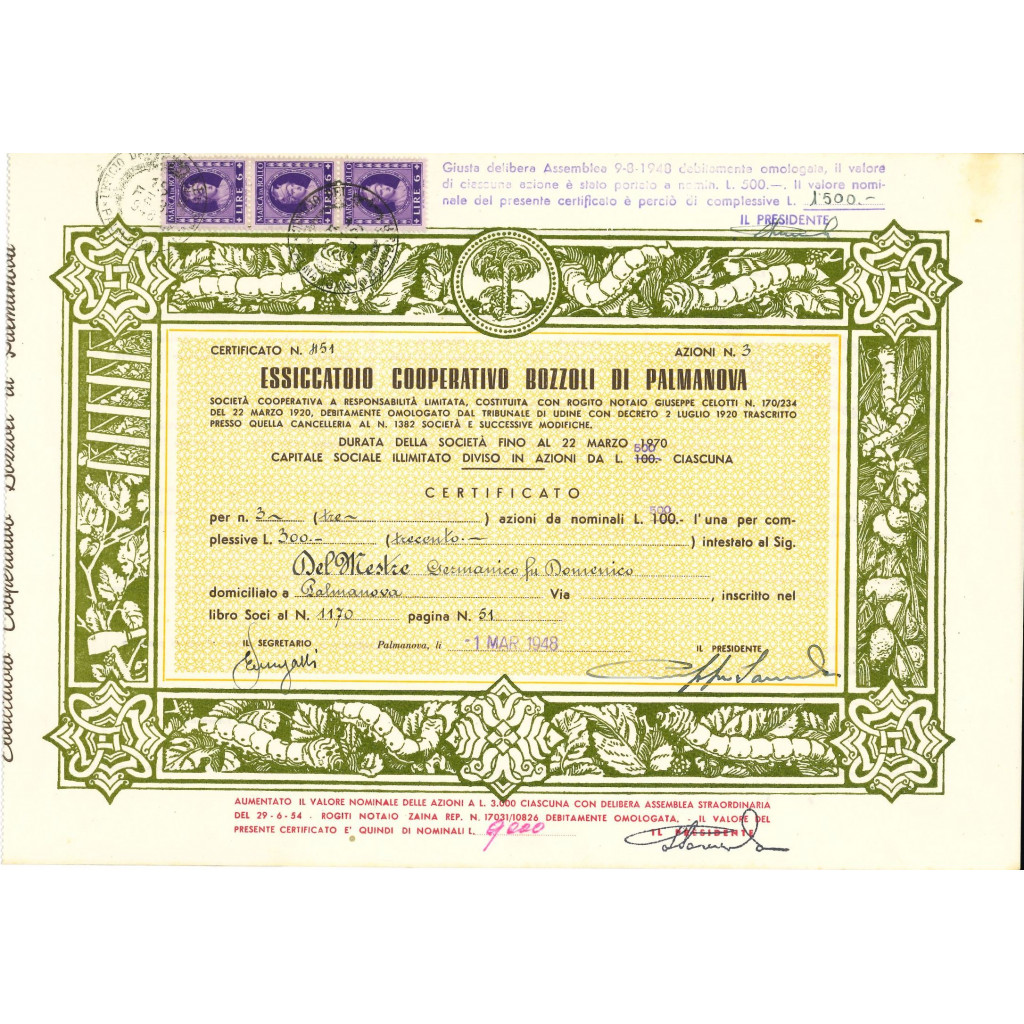

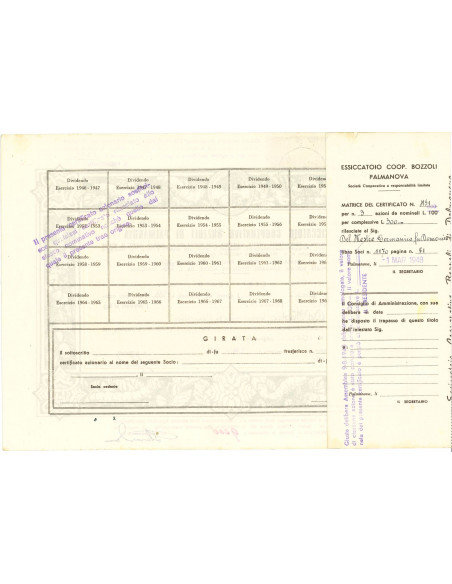
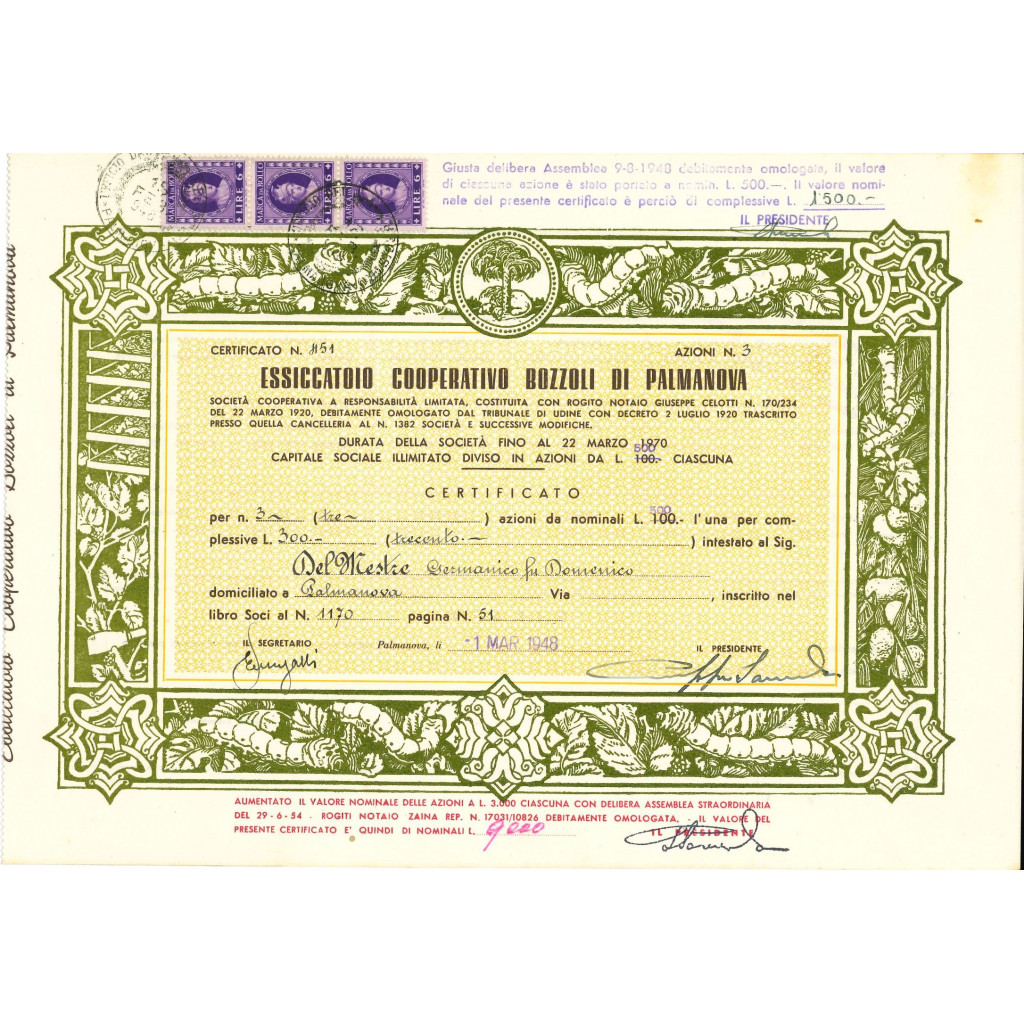
The company operated through a cooperative structure, involving local farmers who cultivated mulberry trees and raised silkworms. The cooperative drying plant provided technical and logistical support to ensure proper processing and preservation of the cocoons.
Over the years, the Cooperative Silkworm Drying Plant of Palmanova contributed to the development of the sericulture industry in the region, creating employment opportunities and promoting knowledge and expertise in the field.
However, like many other companies in the industry, the cooperative drying plant faced various challenges over time. Changes in the silk market, global competition, and other dynamics led to a decline in the sericulture industry in many parts of the world, including Friuli-Venezia Giulia.