Carrello
Non ci sono più articoli nel tuo carrello
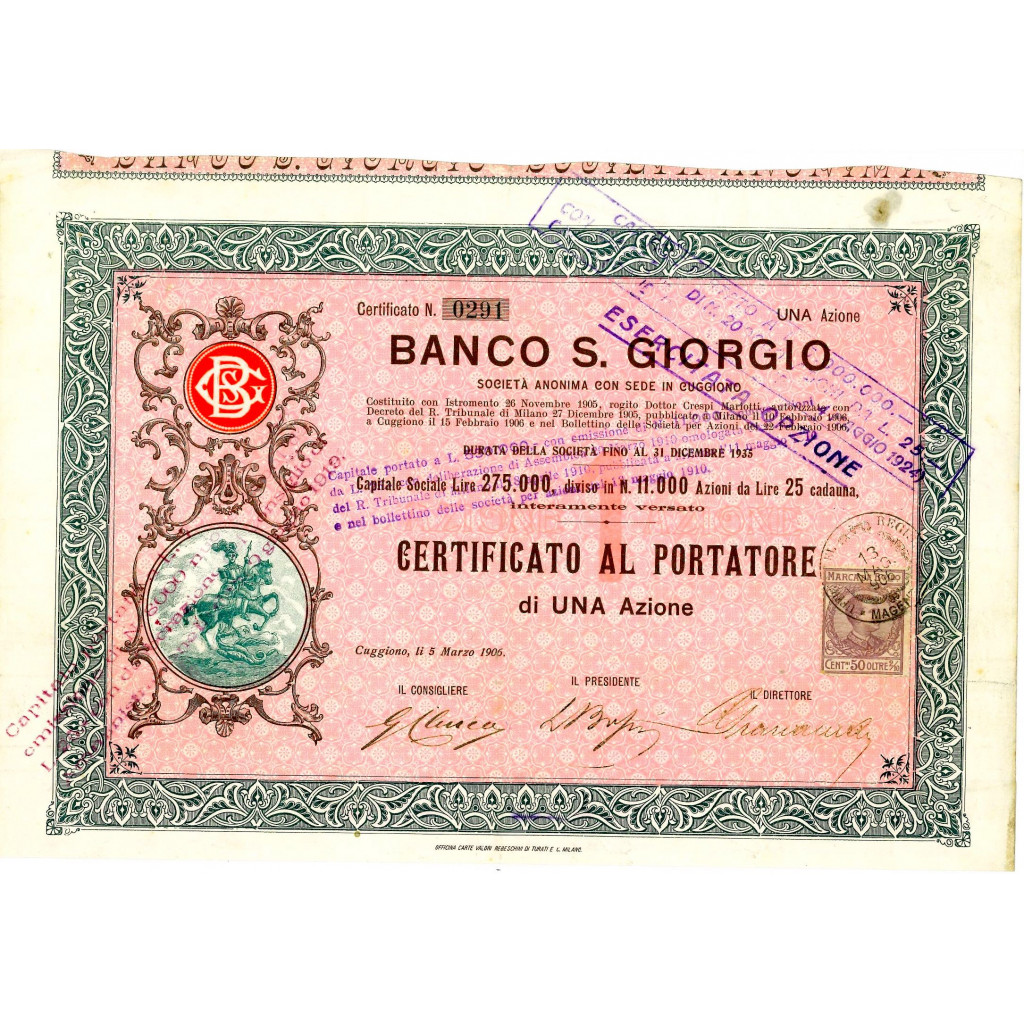

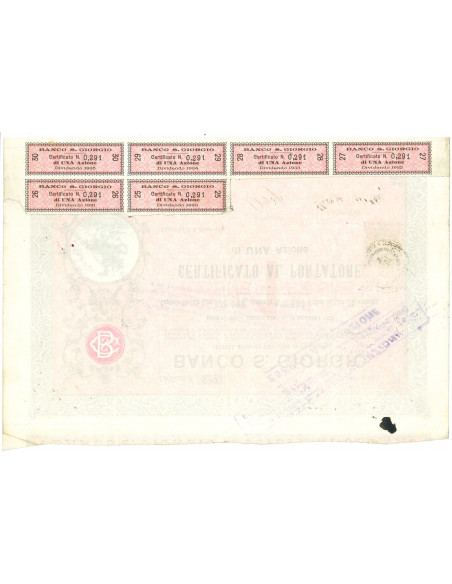
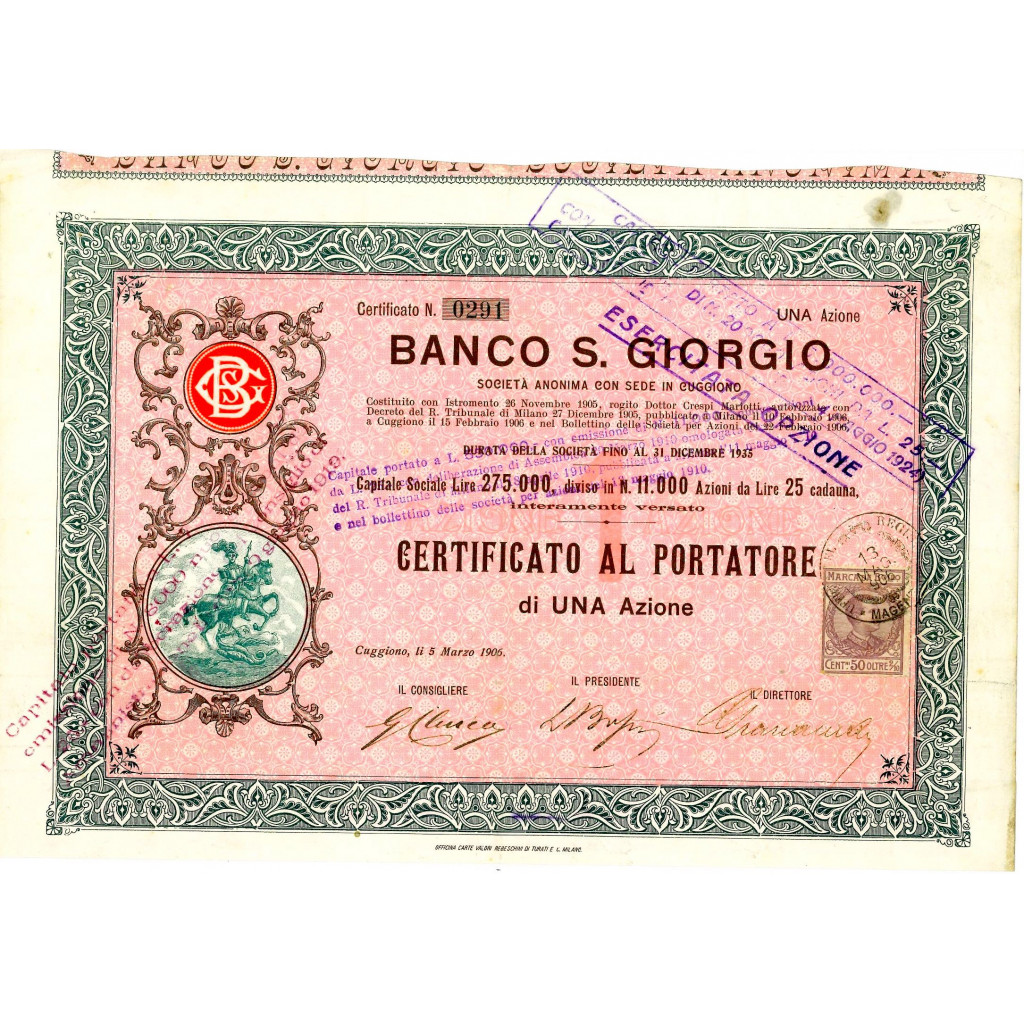
The former site was the historic Palazzo San Giorgio, now the headquarters of the Port Authority, and still open to visitors today. The palace stands near the restored urban area of the old port and the Aquarium. Today, its spaces are periodically open to the public and host documentary exhibitions on the history of the city.
The Banco di San Giorgio can be considered the first truly modern bank, in fact it exercised both the function of managing taxation and public debt like modern central banks, and the collection of savings, an activity it began in 1408, the first bank of its kind in Italy.
Towards the end of 1407, the city's Council of Elders authorised eight major merchants to found a bank, modelled on the Florentine institutions, to save Genoa, which was close to financial collapse after its exhausting conflict with Venice. The Banco di San Giorgio can boast numerous inventions in banking technique, defining rules and practices of finance that were taken up in Italy and exported to Europe, including England.
Funding was exercised through public 'banchi' (tables), located in the palace of San Giorgio. The bank had a share capital, consisting of a loan to the Republic of Genoa, remunerated with the proceeds of a group of taxes. The shareholders were guaranteed, as in a modern joint-stock company, an interest of 7%.
The bank was authorised to issue paper money. The paper money notes issued by the Banco di San Giorgio, which circulated from around 1630, were nominal, payable at sight and transferable by endorsement.
Baron Montesquieu (1689-1755) had this to say: "San Giorgio is a kind of Monte di Pietà which, having made loans to the Republic and having received guarantee funds in return, pays 2½ per cent to those who have subsidised it".
In 1987, the Banco di San Giorgio banner was revived in a new bank bearing the same name. In 1992, it became part of the Credito Agrario Bresciano group, which initially merged into Banca Lombarda in 1999 and since 2007 into the UBI Banca group.
On 22 October 2012 its merger by incorporation into Banca Regionale Europea, which thus acquired all its branches, became operative.
The last Chairman of the Board of Directors was Riccardo Garrone.